

Volkswagen is exploring a major shift that could change the future of one of its factories in Germany. The company is in talks to move from car production to making parts for missile defence systems, reflecting rising global demand for security and new challenges in the automotive industry.
The company already has experience in defence-related manufacturing, producing military trucks through a joint venture between its subsidiary MAN and the German arms group Rheinmetall. A potential partnership with Israel’s Rafael Advanced Defense Systems would represent a significant return to weapons-related production for Volkswagen, which also has a history of making military vehicles and the V1 flying bomb during the Second World War.
A Major Shift from Cars to Defence Production
A major change may be coming to a Volkswagen factory in Germany as the company discusses shifting production from cars to missile defence systems. The plan involves the Osnabrück plant, which has been facing challenges and is set to stop car production as part of cost-cutting efforts. This has raised concerns about the future of more than 2,000 workers at the site.
Trump backs Golden Dome missile defense project with costs up to 3.6 trillion amid rising threats
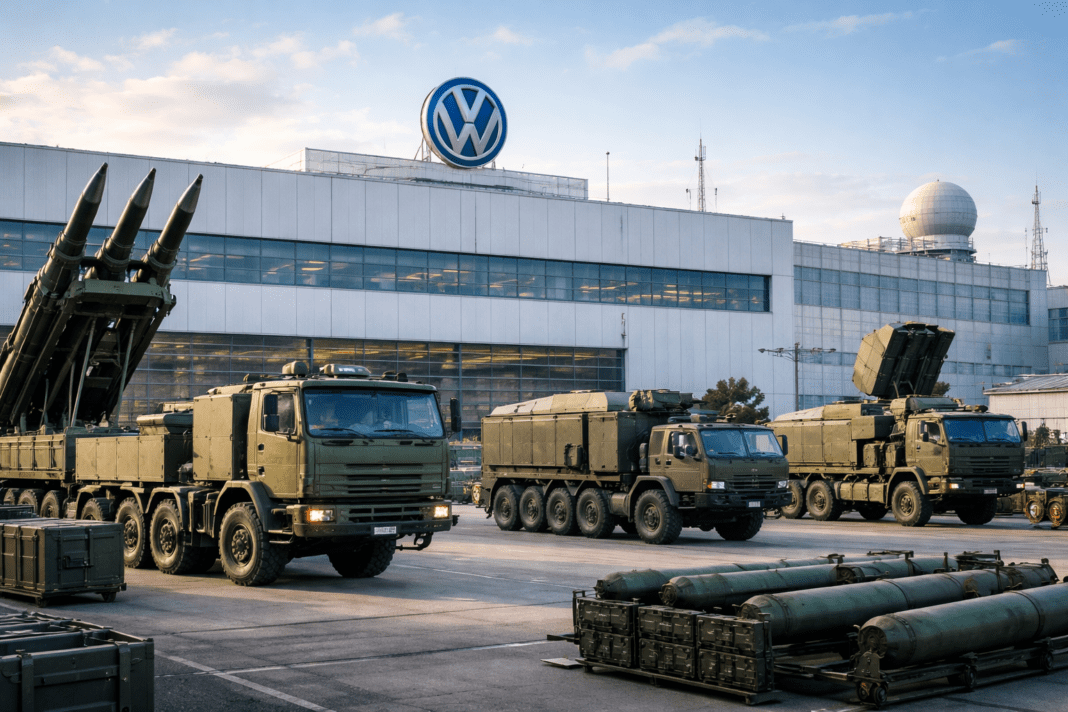
If the deal goes ahead, the factory could be repurposed to produce components for a missile defence system designed to protect areas from incoming rocket attacks. These would include transport vehicles, launch systems, and power equipment, while the actual missiles would be made at a separate secure facility.
This move highlights a major shift for Volkswagen, which is widely known for car manufacturing. The company is under pressure due to lower profits, growing competition from Chinese automakers, and the global shift toward electric vehicles, prompting it to explore new opportunities for its factories and workforce.
Why Defence Production is Being Considered
The idea of shifting to defence manufacturing is linked to changing global conditions, and Volkswagen is closely monitoring these developments. Many countries, especially across Europe, have increased spending on defence systems in recent years. This rise is driven by growing security concerns and ongoing conflicts worldwide, prompting Volkswagen to explore new opportunities in this field.
Air defence systems are now more important than ever. These systems are designed to detect and stop incoming threats like rockets or missiles before they reach their targets. One well-known system in this category is the Iron Dome, which has been used to protect populated areas from short-range rocket attacks. Volkswagen is now considering involvement in similar defence-related production.
Trump claims Greenland is vital for Golden Dome missile shield, but experts question the need
The defence company involved in this plan, known for its advanced technology, aims to expand production in Europe. Volkswagen is evaluating possible collaboration, with Germany seen as an ideal location due to its strong industrial base and support for defence cooperation.
For Volkswagen, this opportunity could help address a serious issue. The Osnabrück factory has been at risk of closure, potentially affecting thousands of jobs. By shifting to defence production, the factory could remain operational and continue employing its workforce, while combining advanced defence technology with Germany’s manufacturing strength.
Job Security, Industrial Change, and Global Interest
One of the main goals of this plan is to protect jobs. The factory employs around 2,300 workers, many of whom feared losing their jobs when car production stops. If the transition happens, these jobs could be saved, and there may even be chances for future growth.
However, there is an important condition. Workers would need to agree to move from making cars to working on defence-related production. This choice is personal, and each employee must decide if they want to take part in this new direction. The German government is also reported to support the idea, as Europe is increasing its focus on defence systems and security.
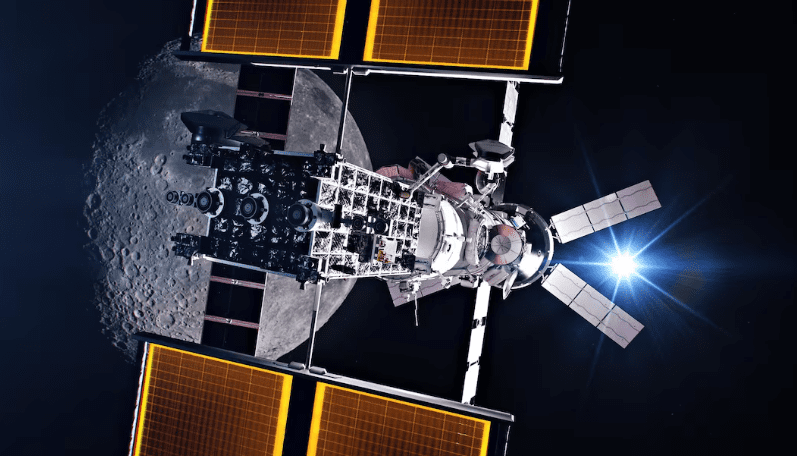
🚀 Space war ready? Trump’s golden dome aims to blast missiles before they enter earth’s atmosphere
Another key point is that the actual missile systems would not be built at the Volkswagen factory. Instead, they would be made at a special facility designed to handle sensitive military equipment. The Osnabrück plant would focus on producing supporting parts and infrastructure, rather than the missiles themselves.
This plan also reflects a wider trend, where companies are looking for new uses for factories as traditional industries face challenges. For Volkswagen, this marks a shift toward defence-related work while continuing discussions with partners. No final decision has been made yet, but the talks could shape the future of the factory and the workers who depend on it.