
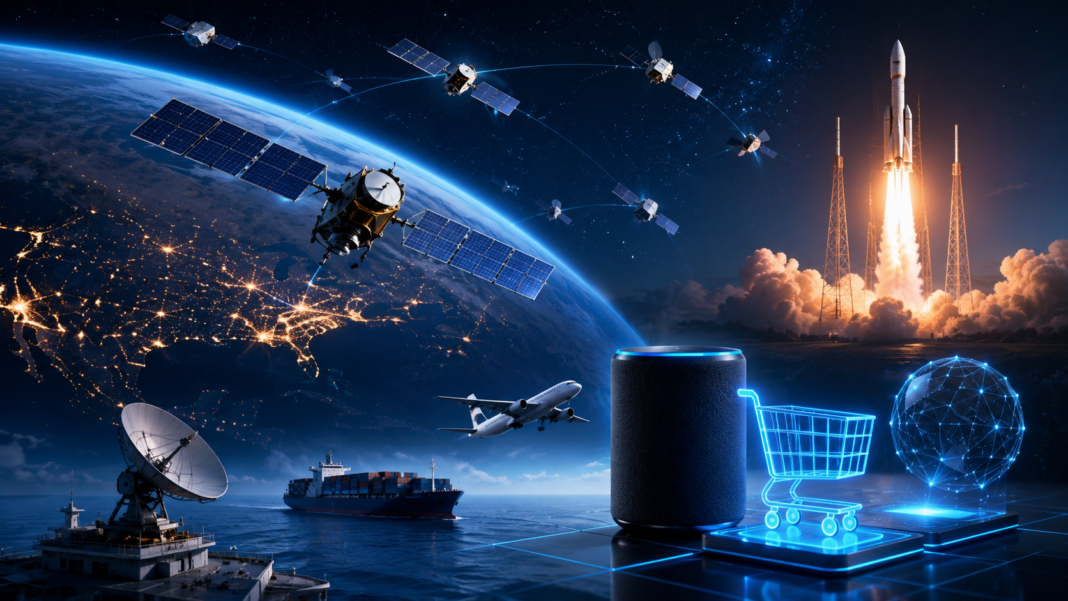

Amazon is expanding beyond online shopping with 304 low-Earth orbit satellites under Project Kuiper and a new AI-powered Alexa shopping assistant that can complete purchases across external websites. The developments highlight the company’s growing focus on space technology, artificial intelligence, and digital infrastructure.
Amazon Expands Its Satellite Network in Space
Amazon’s satellite project has become one of the company’s biggest technology investments. The company is building a low-Earth orbit satellite network designed to provide high-speed internet services to remote and underserved regions. The satellites are expected to deliver faster and more reliable connectivity compared to traditional satellite internet systems.
Recently, the company launched additional satellites using Ariane 64 and Atlas V rockets, placing them into orbits between 590 and 630 kilometres above Earth. It has secured more than 100 future launches through several partners, including SpaceX. However, limited availability of heavy-lift rockets continues to be a major challenge for the growing satellite industry.
Amazon eyes exciting Kenya market entry with Project Kuiper satellite license
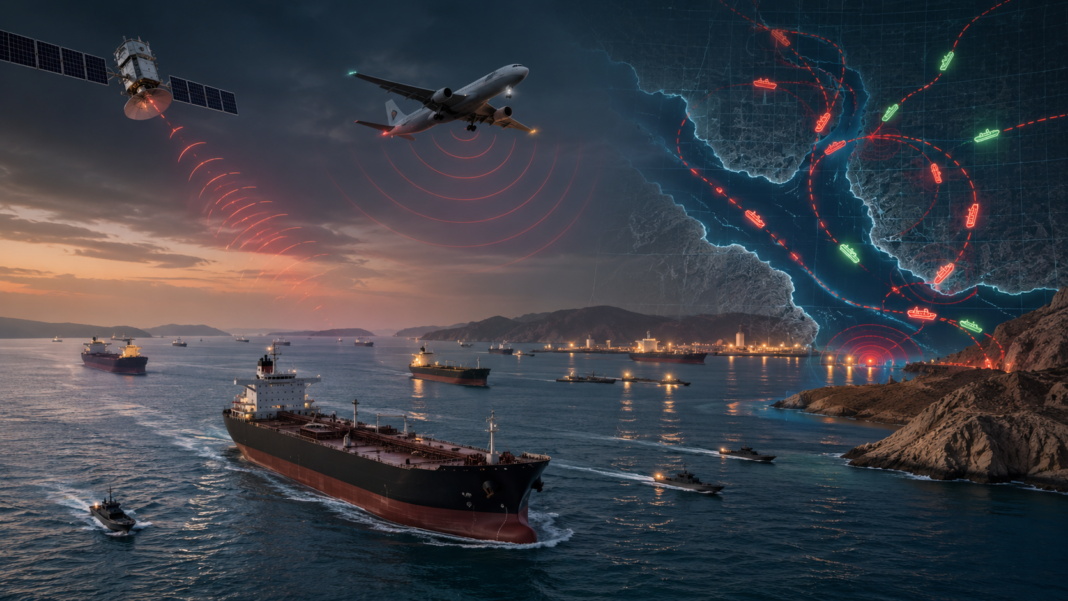
The project is also expanding beyond household internet services. The company is targeting airlines and maritime industries with satellite-based connectivity solutions, including high-speed antennas for commercial aviation and shipping operations. At the same time, satellite production and launch capacity are being increased to support the rapid growth of the network.
Amazon Replaces Rufus With a Smarter AI Shopping Agent
Amazon is transforming online shopping with a new AI-powered assistant called Alexa for Shopping, replacing its earlier generative AI tool, Rufus. Unlike traditional AI chat systems that mainly answer questions, the new assistant is designed to take direct action during the shopping process.
One of its biggest features, called “Buy for Me,” allows the AI assistant to automatically complete purchases, even on websites outside Amazon’s own marketplace. The system can also compare products, track prices, and manage recurring purchases with minimal user involvement.
Satellite Constellations: Revolutionizing Spacetech
The goal is to make Alexa act as a universal shopping assistant across the internet. Instead of customers manually searching for products, the AI system can handle many parts of the shopping process automatically. This allows Amazon to remain connected to users even when purchases happen outside its platform.
The shift also reflects the growing role of artificial intelligence in consumer technology. AI tools are now evolving from simple chat assistants into systems capable of performing real tasks independently. At the same time, Amazon denied reports about large-scale job cuts and said it is focusing resources on artificial intelligence and other fast-growing technology sectors.
Strong Financial Growth Fuels Major Expansion Plans
Amazon’s large investments in satellites, artificial intelligence, and logistics are supported by strong quarterly financial results. During the first quarter, the company reported revenue of $181.52 billion, beating analyst expectations of $177.28 billion.
Earnings per share also came in much higher than expected. Amazon reported earnings of $2.78 per share compared to analyst estimates of $1.63. These results provide the company with financial flexibility to continue funding large infrastructure projects while expanding other parts of its business.
The company is also strengthening its third-party logistics operations. Amazon plans to run parts of its logistics network more independently, allowing it to compete more directly in shipping and delivery services beyond its own marketplace.
Amazon pursues regulatory approval to launch Project Kuiper satellite internet in India
The simultaneous expansion into space technology and autonomous AI shopping highlights how Amazon is broadening its reach across multiple industries. On one side, the company is building physical infrastructure in orbit through hundreds of satellites. On the other, it is building digital infrastructure through AI systems designed to manage online shopping activities automatically.
Both projects are large in scale and require major investments in technology, operations, and customer systems. Together, they reflect Amazon’s growing role not only in e-commerce and cloud computing, but also in global communications and AI-driven consumer services.