
The ongoing conflict involving Iran has led to severe destruction, with satellite images now showing large oil spills spreading across key waterways and coastlines. These spills are causing major environmental damage that could harm entire ecosystems. As strikes continue on oil facilities and a ceasefire nears its end without any agreement, concerns are rising that both the human and environmental impact will worsen further.
Satellite Images Reveal Massive Oil Damage
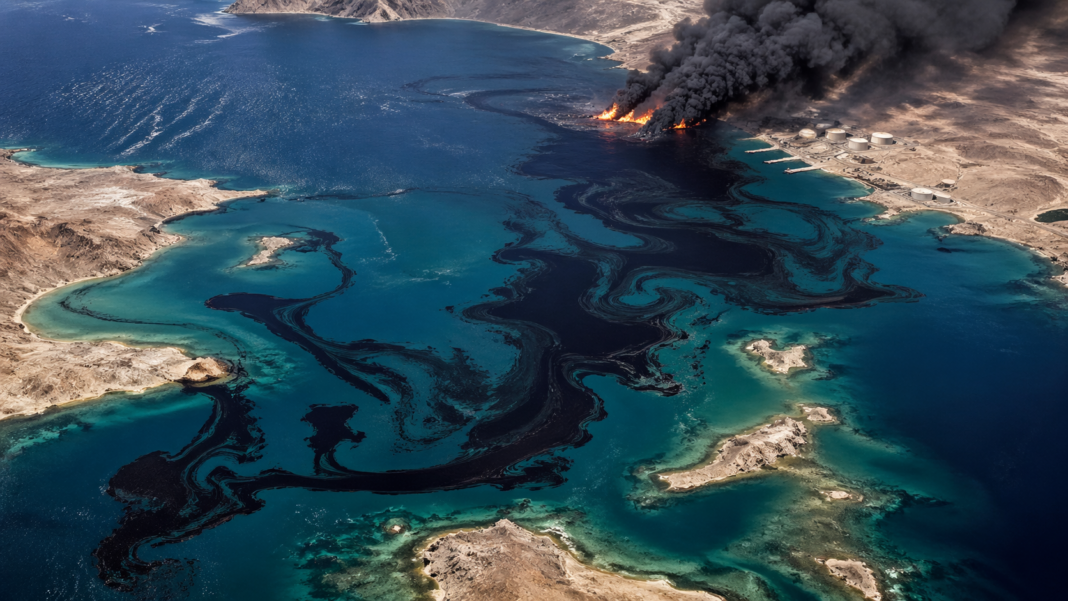
Recent satellite images have revealed large patches of oil spills spreading across key sea regions, including a massive spill stretching nearly five miles in the Strait of Hormuz, a crucial global oil route. The dark slick is clearly visible on the water, showing the scale of the environmental damage. Additional images also highlight more oil spills near coastal islands and shorelines, raising serious concerns.
These oil spills are believed to have resulted from strikes on oil tankers and production facilities. In several areas, the oil has drifted dangerously close to land, putting marine life and fragile coastal ecosystems at risk. The impact is not limited to one location, as contamination has also been reported along nearby coastlines.
The bright flame of a rocket launch becomes a symbol of Iran’s space ambition and progress
Fires caused by these strikes have worsened the situation by releasing thick smoke into the air and further polluting surrounding waters. Oil spreads quickly across busy shipping routes, making clean-up efforts extremely difficult, especially in areas with strong currents and limited access.
Entire Ecosystem at Serious Risk
Oil spills have a devastating impact on the environment and can damage entire ecosystems in a short time. When oil spills spread across the ocean, they form a thick, sticky layer on the surface. This layer blocks sunlight from reaching underwater plants and algae, which are essential for producing oxygen and supporting marine life. Without enough sunlight, these plants begin to die, creating a ripple effect throughout the ecosystem.
The smallest organisms in the ocean are usually the first to be affected by oil spills. These tiny creatures form the base of the marine food chain. When they are harmed or wiped out, fish that depend on them for food start to suffer. Over time, this impact moves up the food chain, affecting larger marine animals and reducing overall biodiversity in the region.
The US-led blockade of the Strait of Hormuz uses 15 warships and F-35B jets to enforce control
Birds and marine animals face direct physical harm from oil spills and pollution. Birds that dive into the water can become coated in oil, making it hard for them to fly or regulate their body temperature. Marine species like turtles are also at risk, as oil can damage their habitats and disrupt feeding and breeding patterns.
Coastal ecosystems such as mangrove forests are especially vulnerable. Oil can kill plants and destroy natural habitats that protect many species. Cleaning up oil spills is extremely difficult, and the environmental damage can last for many years.
Rising Health Concerns and Environmental Pollution
The environmental impact of the conflict is not limited to water, as air pollution has become a major concern. Burning oil facilities have released thick black smoke into the sky, carrying harmful chemicals into the atmosphere. This polluted air is spreading over cities and nearby regions, creating serious health risks for people.
Those living in affected areas are exposed to dangerous air particles that can irritate the eyes, nose, and throat. In more severe cases, breathing in polluted air can cause respiratory problems and long-term lung damage. Children and older adults are especially vulnerable to these health effects.
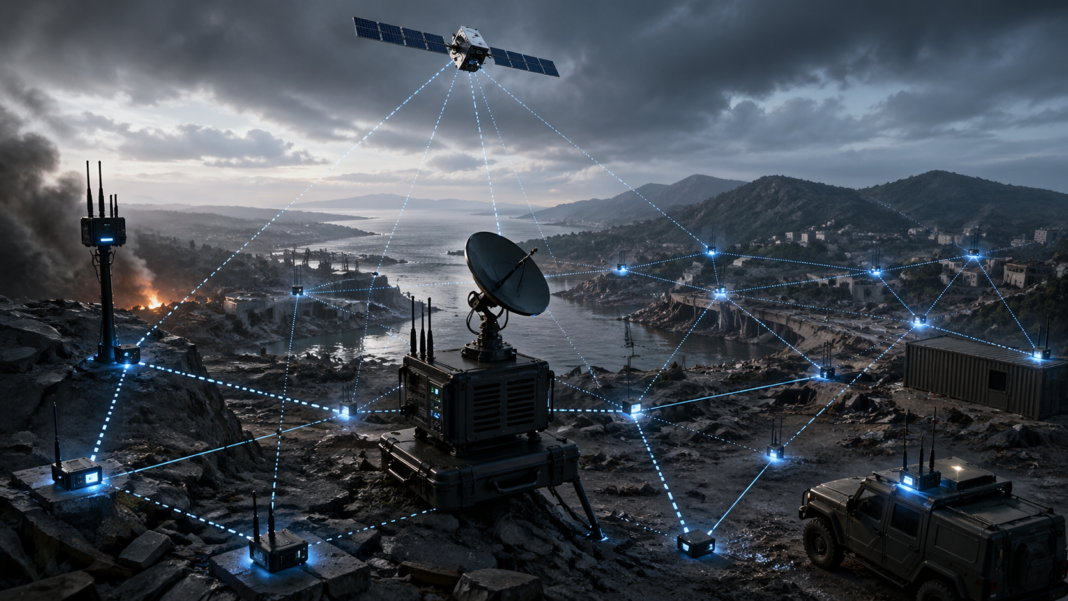
The new front line: Why satellite intelligence is becoming Iran’s most powerful weapon
Oil contamination is also affecting land and water sources. Pollutants can seep into the soil and eventually reach underground water supplies, making drinking water unsafe. This contamination can also impact agriculture, as polluted water may harm crops and reduce food quality.
In some areas, oil-contaminated rain has been reported, spreading pollution even further. The combined effects of oil spills, fires, and pollution have created a serious environmental crisis, impacting ecosystems, public health, and livelihoods, while also adding to the overall human and economic toll of the conflict.