
Published November 23, 2026.
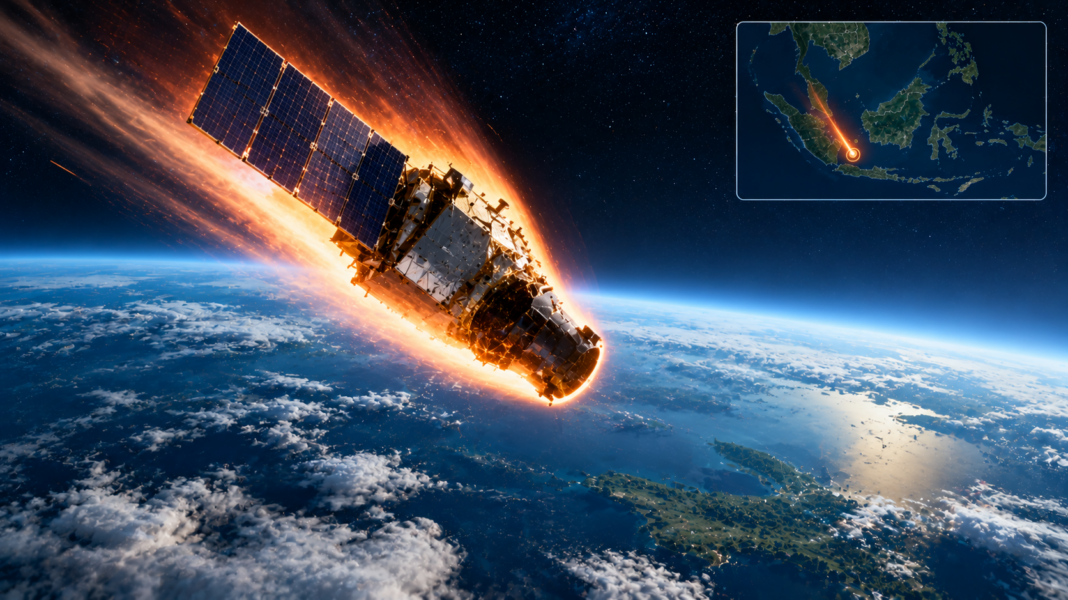
In short: NASA’s Neil Gehrels Swift Observatory re-entered Earth’s atmosphere at 7:39 a.m. EST on November 4, 2026, over the North Sumatra region of Indonesia, according to the US Space Force. It had been in orbit for almost 22 years.
The end of a long mission
Swift launched in 2004 to study gamma-ray bursts, the most powerful explosions in the universe. NASA originally planned a two-year mission, and the observatory kept working for more than ten times that long. The roughly 3,200-pound spacecraft carried instruments that detect different kinds of light, which let scientists study the same event in several ways.
NASA said it expected most of the spacecraft to burn up in the atmosphere, but that some components could have survived. At the time of the latest reports we found, no recovered debris had been publicly confirmed. Before re-entry, NASA had estimated the risk of harm to anyone on Earth at about 1 in 2,100.
Why it came down
Increased solar activity thickened the upper atmosphere and raised drag on the spacecraft, pulling it down faster than engineers expected. NASA suspended science observations earlier this year and repositioned Swift to reduce drag and buy time.
The failed rescue
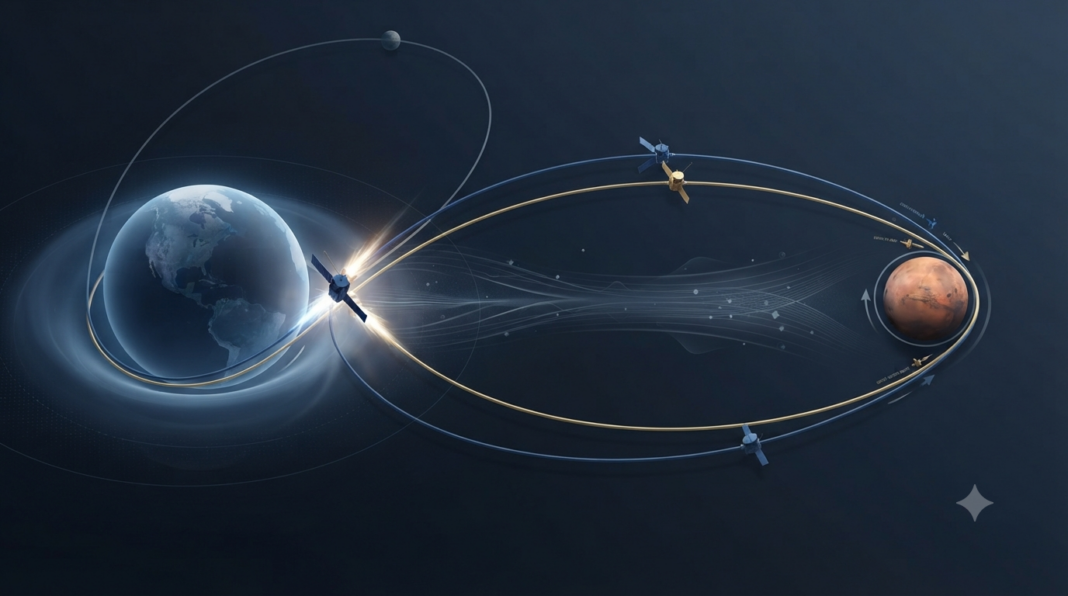
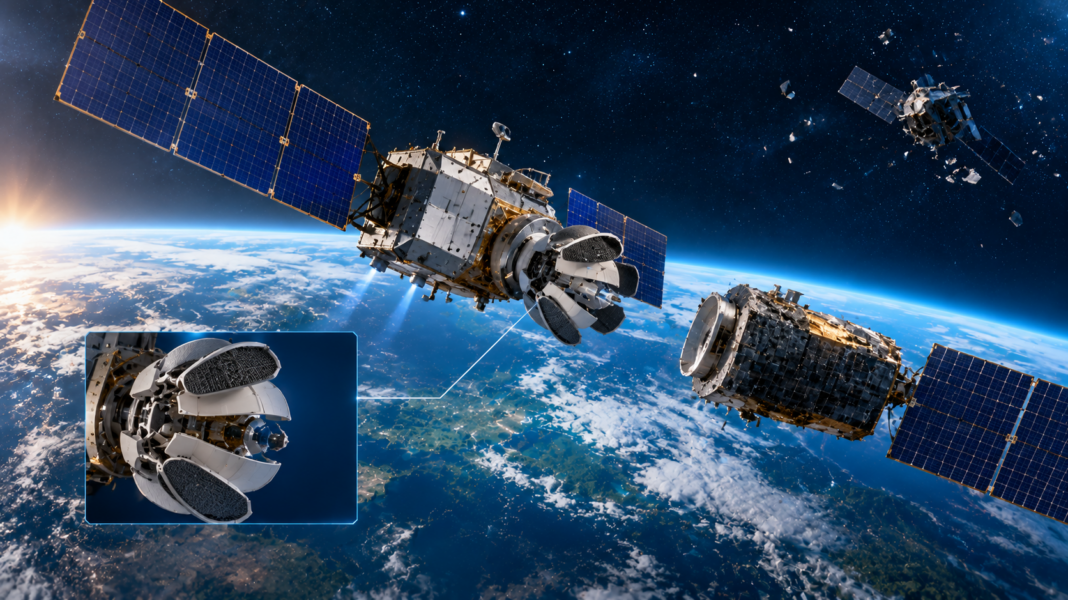
NASA sponsored a roughly $30 million commercial attempt by Katalyst Space Technologies to attach a robotic spacecraft called Link to Swift and boost it to a higher orbit. Katalyst announced that Link re-entered the atmosphere without completing the rescue, which closed that effort.
The episode is a real-world test of satellite servicing, a market that startups are targeting. See our explainer on orbital crowding and the space technology glossary for terms such as re-entry and drag.
Sources
Primary and official:
News reporting: