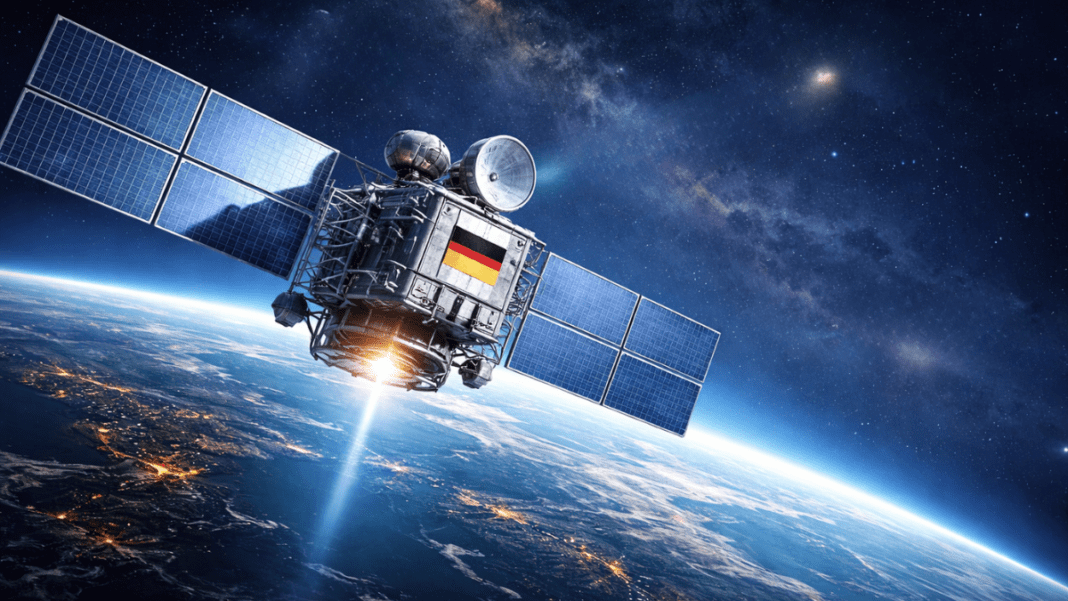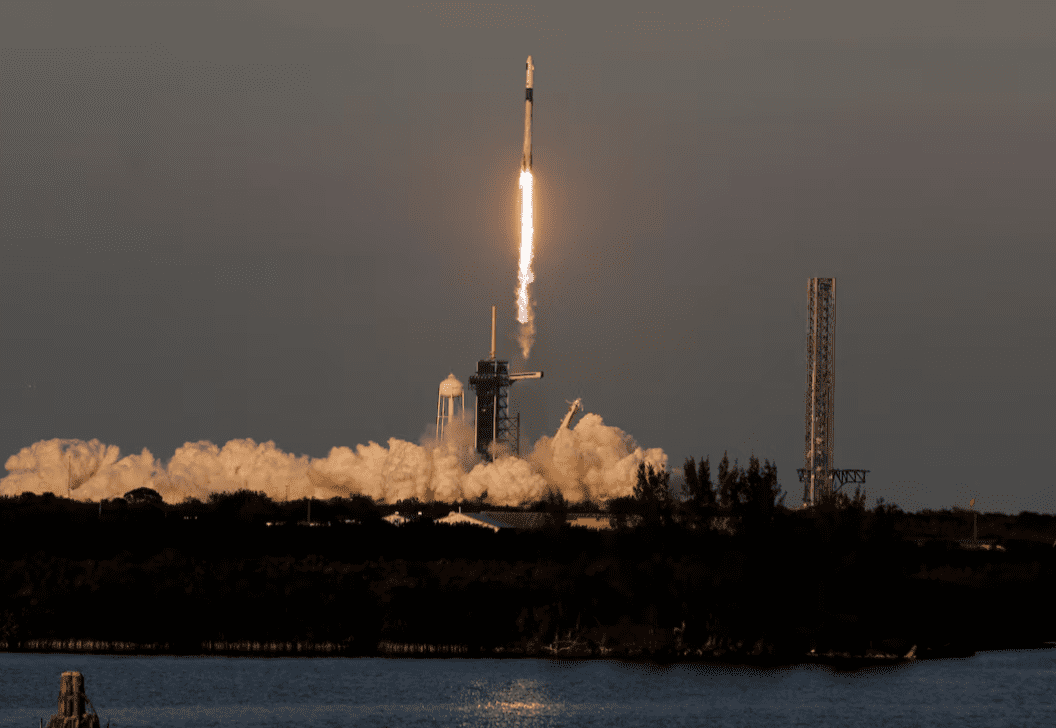

SpaceX is preparing an exciting rocket launch from Cape Canaveral that promises a rare and thrilling flight path over Florida and toward the Bahamas. The launch, planned for Feb. 18, will carry a fresh batch of 29 Starlink internet satellites into orbit, marking another step in SpaceX’s ongoing mission to expand its global internet network.
This Falcon 9 rocket mission, officially called Starlink 10-36, is already drawing attention for its unusual trajectory and the possibility of a booster landing far from the typical recovery zones.
Rare Southeast Flight Path Over Florida and the Bahamas from Cape Canaveral
Unlike most Cape Canaveral launches, this Falcon 9 rocket will follow a southeast trajectory along the Florida coast. Liftoff is scheduled from Space Launch Complex 40 at Cape Canaveral Space Force Station no earlier than 5 p.m. Wednesday. As the rocket ascends, it will create a loud rumble visible and audible to some local residents.
The southeast path is unusual because it allows the first stage booster to land much farther south than normal. Instead of returning near Florida, the booster will touch down on the “Just Read the Instructions” drone ship off the Bahamas. This marks only the second time SpaceX has attempted a landing so far south from a Cape Canaveral launch, the previous being Feb. 18, 2025.
SpaceX pivots from Mars as Elon Musk backs fast-track plan for self-growing city on the Moon
While Florida residents don’t need to worry about sonic booms, people in the Bahamas could hear one under certain weather conditions. The booster, traveling faster than the speed of sound during reentry, slows before landing safely on the drone ship, demonstrating SpaceX’s rapid and precise recovery process.
Quick Turnaround and Efficient Operations
This launch comes just days after another Starlink mission lifted off earlier this week from Cape Canaveral, demonstrating SpaceX’s ability to conduct rapid, back-to-back launches from the same pad. The company maintains a flexible four-hour launch window for each mission, allowing it to adjust for weather conditions or technical checks.
The mission carries 29 Starlink satellites, which are part of SpaceX’s growing satellite internet constellation. Once deployed, these satellites will help provide internet coverage to remote and underserved areas, improving connectivity for millions of users worldwide.
SpaceX Offers $100,000 Reward for Spotting Starlink Security Bugs
After the booster lands on the drone ship in the Bahamas, it will be transported back to Port Canaveral for refurbishment. SpaceX reuses its Falcon 9 boosters to reduce costs and improve efficiency, making each launch more sustainable. The company carefully inspects and refurbishes each booster before it is prepared for its next mission, allowing rockets to fly multiple times.
A Rare Show for Viewers
For those watching from the Florida coast or nearby areas, this launch offers a rare visual and auditory experience. The southeast flight path and the Caribbean booster landing make it a unique event compared to typical Starlink launches. Depending on weather conditions, viewers may see the rocket ascending into the sky with its bright flame trail, followed by the booster descending rapidly toward the ocean.
The mission highlights SpaceX’s ongoing innovation in both satellite deployment and rocket recovery. By targeting a distant landing zone, the company tests new recovery techniques while still delivering satellites efficiently into orbit. The combination of speed, trajectory, and reuse technology makes this launch a compelling spectacle for space enthusiasts and casual observers alike.
SpaceX weighs possible tie up with Tesla while separate xAI talks signal broader Musk strategy
This Falcon 9 mission is expected to attract attention from residents, hobbyists, and media alike. The possibility of hearing a sonic boom, seeing a booster return from space, and witnessing a launch with an unusual trajectory all contribute to the excitement surrounding the event.
With this launch from Cape Canaveral, SpaceX continues to demonstrate its ability to execute complex missions, maintain a rapid launch cadence, and safely recover reusable boosters, all while expanding global internet coverage through Starlink satellites. Whether you are in Florida or the Bahamas, this mission promises to be a memorable display of modern space technology in action.