
Elon Musk has reportedly become the world’s first trillionaire after SpaceX’s valuation crossed $2 trillion during its stock market debut. The historic milestone has drawn global attention, marking a new record in personal wealth and underscoring SpaceX’s rise as one of the world’s most valuable companies.
SpaceX Valuation Pushes Musk Beyond $1 Trillion
Elon Musk has reportedly become the world’s first trillionaire after SpaceX’s valuation crossed $2 trillion during its stock market debut. The historic milestone came as investors flocked to buy SpaceX shares, driving the company’s market value to one of the highest levels ever achieved by a publicly traded business.
The surge in SpaceX’s valuation significantly boosted Musk’s personal fortune because he remains the company’s largest shareholder. As a result, his estimated net worth surpassed the $1 trillion mark, setting a new record in global wealth history.
Computing in the stars: Google and SpaceX secure a powerful partnership to move the cloud to orbit
The achievement highlights SpaceX’s remarkable growth from a private rocket startup founded in 2002 into a global leader in space technology. Beyond rocket launches, the company generates revenue through satellite internet services, government contracts, and commercial space missions.
The milestone not only underscores investor confidence in SpaceX but also reflects Musk’s influence across technology, transportation, artificial intelligence, and the rapidly expanding space industry.
SpaceX’s Rise From Startup to a $2 Trillion Giant
Founded in 2002, SpaceX began with an ambitious goal: making space travel more affordable and eventually enabling humans to live on other planets. In its early years, the company faced multiple launch failures and financial challenges. However, it gradually transformed into one of the most successful aerospace companies in history.
A major factor behind SpaceX’s growth has been its reusable rocket technology. By successfully landing and reusing rocket boosters, the company significantly reduced launch costs and changed the economics of the space industry. Its Falcon rockets became widely used for commercial satellite launches, government missions, and astronaut transportation.
What Elon Musk does differently to save more and spend wisely
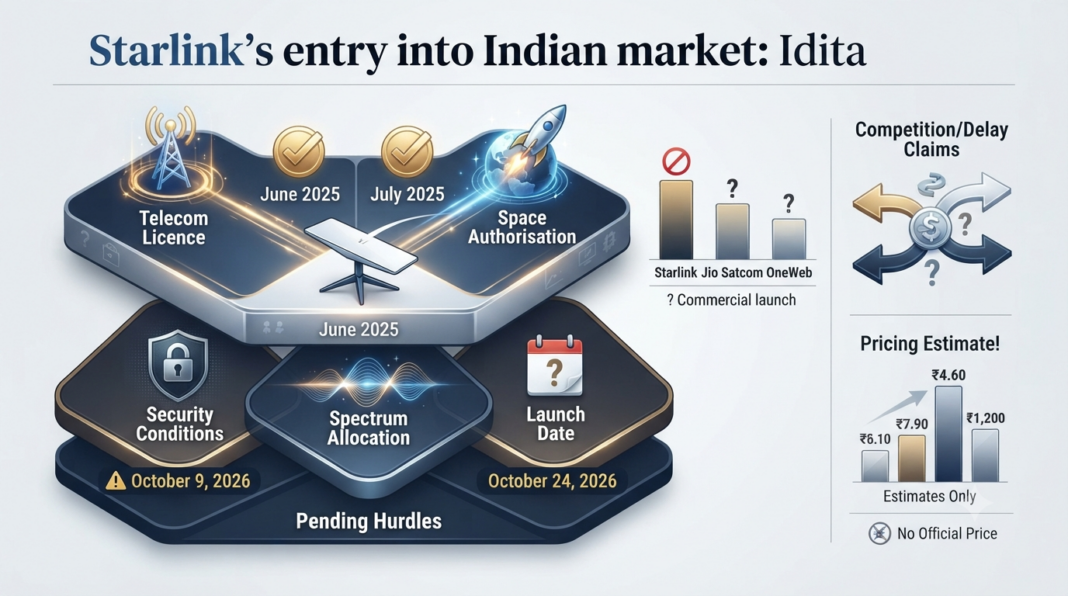
SpaceX also expanded through its Starlink satellite internet network, which now provides broadband connectivity in many parts of the world. The company has secured major contracts from government agencies and private customers, creating multiple sources of revenue beyond rocket launches.
Investors increasingly view SpaceX as more than a traditional aerospace company. It operates across satellite communications, internet services, defense-related projects, cargo transportation, and human spaceflight. This diversified business model has helped boost confidence in the company’s long-term earning potential and contributed to its extraordinary valuation.
The stock market debut represented a major turning point for SpaceX, allowing public investors to directly participate in the company’s growth story. Trading activity remained intense as market participants assessed the company’s future prospects and its position within the rapidly expanding commercial space sector.
Record-Breaking Wealth and Global Market Attention
The surge in SpaceX’s valuation immediately affected Elon Musk’s personal fortune because much of his wealth is tied to his ownership stakes in major companies. As SpaceX crossed the $2 trillion valuation mark, estimates of Musk’s net worth moved beyond $1 trillion, creating a new record in global wealth history.
The event generated widespread discussion among investors, economists, and market analysts. Many viewed it as a reflection of how dramatically technology-driven companies can create value in modern financial markets. Others pointed to the growing role of private innovation in industries that were once dominated by governments.
The trillion-dollar wealth milestone is also symbolic because it demonstrates the scale of wealth creation that can occur when entrepreneurs maintain significant ownership in rapidly growing businesses. Musk’s fortune has largely been built through equity ownership rather than cash earnings, meaning changes in company valuations can have a substantial impact on his net worth.
Confidential files expose SpaceX strategy for trillion dollar market expansion
The market reaction underscored investor enthusiasm for companies operating at the intersection of advanced technology and infrastructure. SpaceX’s valuation places it among the world’s most valuable corporations and highlights the increasing importance of commercial space activities in the global economy.
As trading continued, attention remained focused on both SpaceX’s market performance and Musk’s historic wealth achievement. The crossing of the $2 trillion valuation mark and the emergence of the world’s first trillionaire together marked one of the most significant financial stories of the year, drawing interest from markets, businesses, and the public around the world.