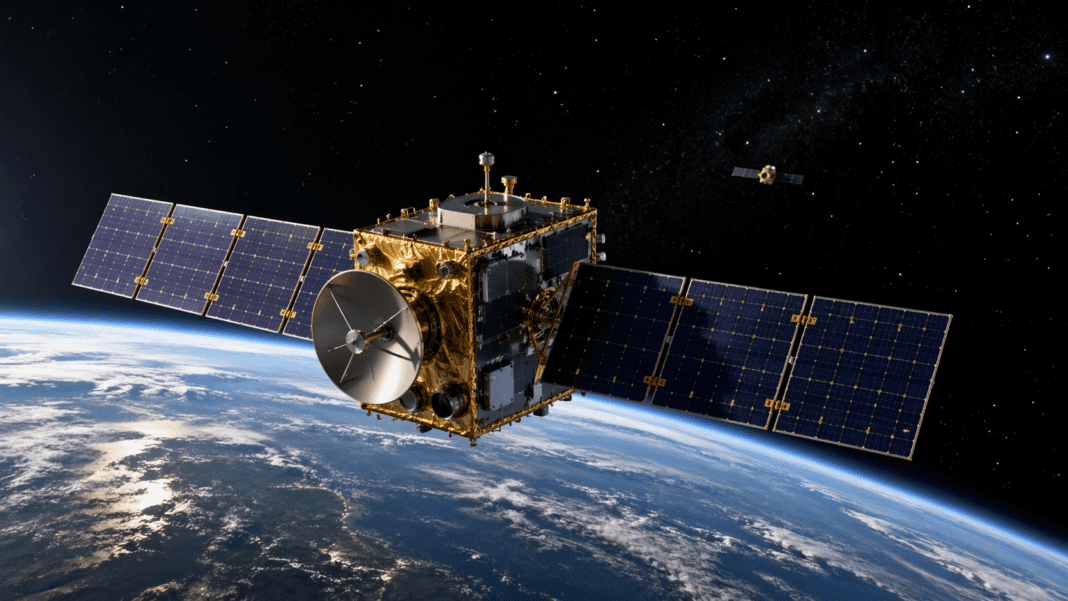

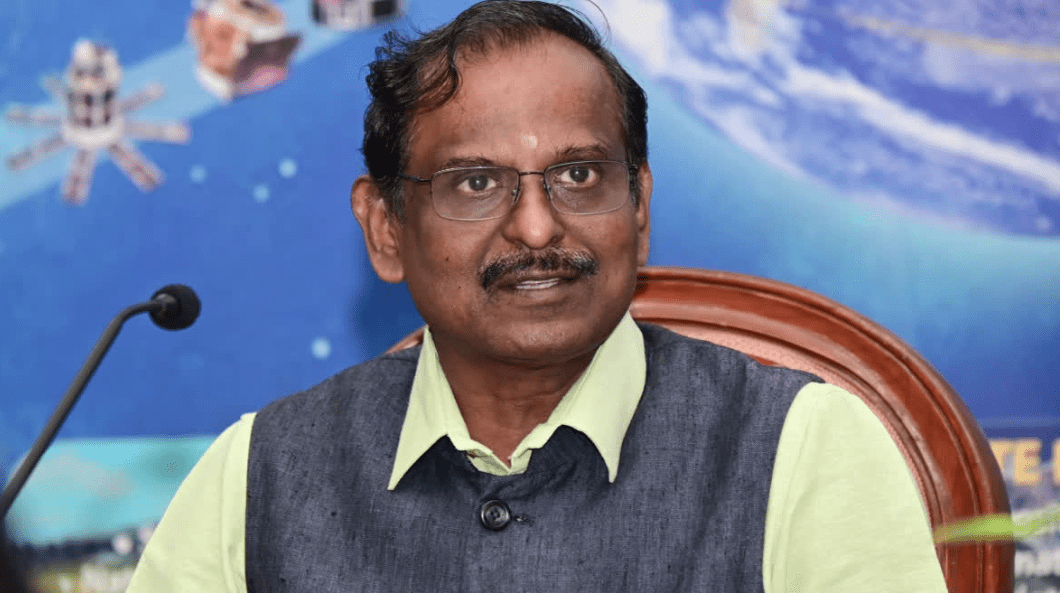

India is preparing for another major milestone in space technology. The Chairman of Indian Space Research Organisation, V. Narayanan, has announced that the much-anticipated G20 satellite is expected to be launched in 2027. This satellite will play an important role in studying climate change, tracking air pollution, and improving weather monitoring for countries around the world.
The announcement was made during a gathering of scientists and experts from Defence Research and Development Organisation, ISRO, and the Aeronautical Society of India at the Engineering Staff College of India in Hyderabad. The event highlighted India’s growing strength in science and technology, especially in space exploration.
India to Lead G20 Satellite Mission
The G20 satellite project is a major international effort connected to the G20, a group of the world’s leading economies. According to Dr. V. Narayanan, India is taking a leading role in launching this satellite on behalf of G20 nations.
This satellite is being designed to help scientists better understand Earth’s environment. It will observe climate patterns, track pollution levels in the atmosphere, and improve weather forecasting. These functions are important because climate change and air pollution affect people across all countries.
By leading this mission, India is showing its capability to handle complex and globally important space projects. It also reflects the trust that other nations have in India’s space technology and expertise.
Dr. Narayanan also highlighted one of ISRO’s remarkable achievements. India became the first country to successfully launch more than 100 satellites using a single rocket without any collision. This achievement demonstrated precise planning, advanced engineering, and strong mission control systems.
This kind of success has helped India build a strong reputation in the global space community. It also shows how ISRO continues to push boundaries while maintaining safety and accuracy.
India’s Ambitious Plans for Space Exploration
Apart from the G20 satellite, ISRO is working on several ambitious goals. One of the most notable plans is to send a human to the Moon by 2040. According to Dr. Narayanan, achieving this milestone would place India among the top space-faring nations in the world.
Human spaceflight is considered one of the most challenging areas in space science. It requires advanced technology, strong safety systems, and years of preparation. ISRO has already taken important steps in this direction through its ongoing programs.
🛰️ NASA and ISRO Unite for Historic NISAR Launch to Scan Earth in Stunning Detail—Day or Night
If India successfully sends humans to the Moon, it will mark a historic moment. It will also show that the country has reached a high level in launcher technology, satellite systems, and human space missions.
India’s progress in space is not just about exploration. It also focuses on practical benefits such as communication, navigation, disaster management, and environmental monitoring. These applications directly help people in their daily lives.
Progress in Deep Ocean Mission and Samudrayaan
Dr. Narayanan also shared updates about another important project called Samudrayaan, which is part of India’s Deep Ocean Mission. This project aims to explore the deep sea, which is still largely unknown.
As part of this mission, ISRO is developing a special titanium vessel. This vessel is designed to go deep into the ocean and withstand extremely high pressure. It has a diameter of 2.2 metres and is 100 millimetres thick, making it strong enough for deep-sea exploration.
The development of such a vessel requires advanced materials and engineering skills. It shows that India is expanding its scientific efforts beyond space and into ocean exploration as well.
The Deep Ocean Mission is important for studying marine resources, understanding underwater ecosystems, and exploring new opportunities in ocean science. Just like space, the deep ocean is a challenging environment that needs careful planning and technology.
The announcement of the G20 satellite launch in 2027, along with updates on human spaceflight and ocean missions, highlights India’s growing role in science and technology. With projects spanning space and sea, ISRO continues to work on missions that aim to expand knowledge and support global cooperation.