
Exploring the Concept of Space-Based Data Centers
A groundbreaking collaboration between IBM, KP Labs, and the European Space Agency (ESA) is venturing into uncharted territory by examining the feasibility of processing massive amounts of satellite data in space. This collaboration highlights the challenges and potential benefits of managing and analyzing the increasing volume of data generated by satellites orbiting Earth.
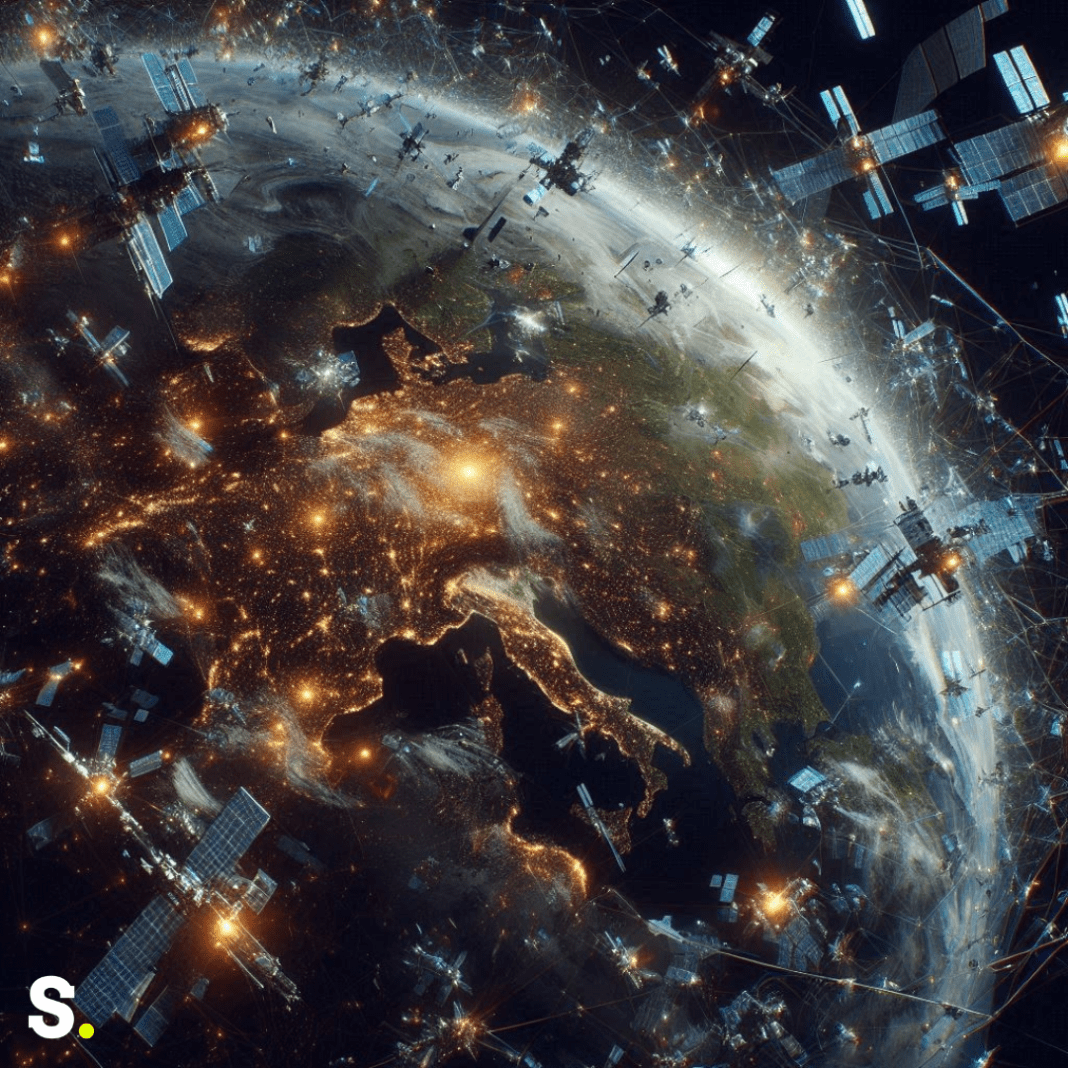
With the number of satellites in space growing rapidly, transmitting and processing the data they collect has become a significant challenge. Traditionally, data collected by satellites is sent back to Earth for processing. This process can be slow, and valuable information may not be available in time for urgent needs, such as disaster response. To address this issue, the concept of space-based data centers is being explored.
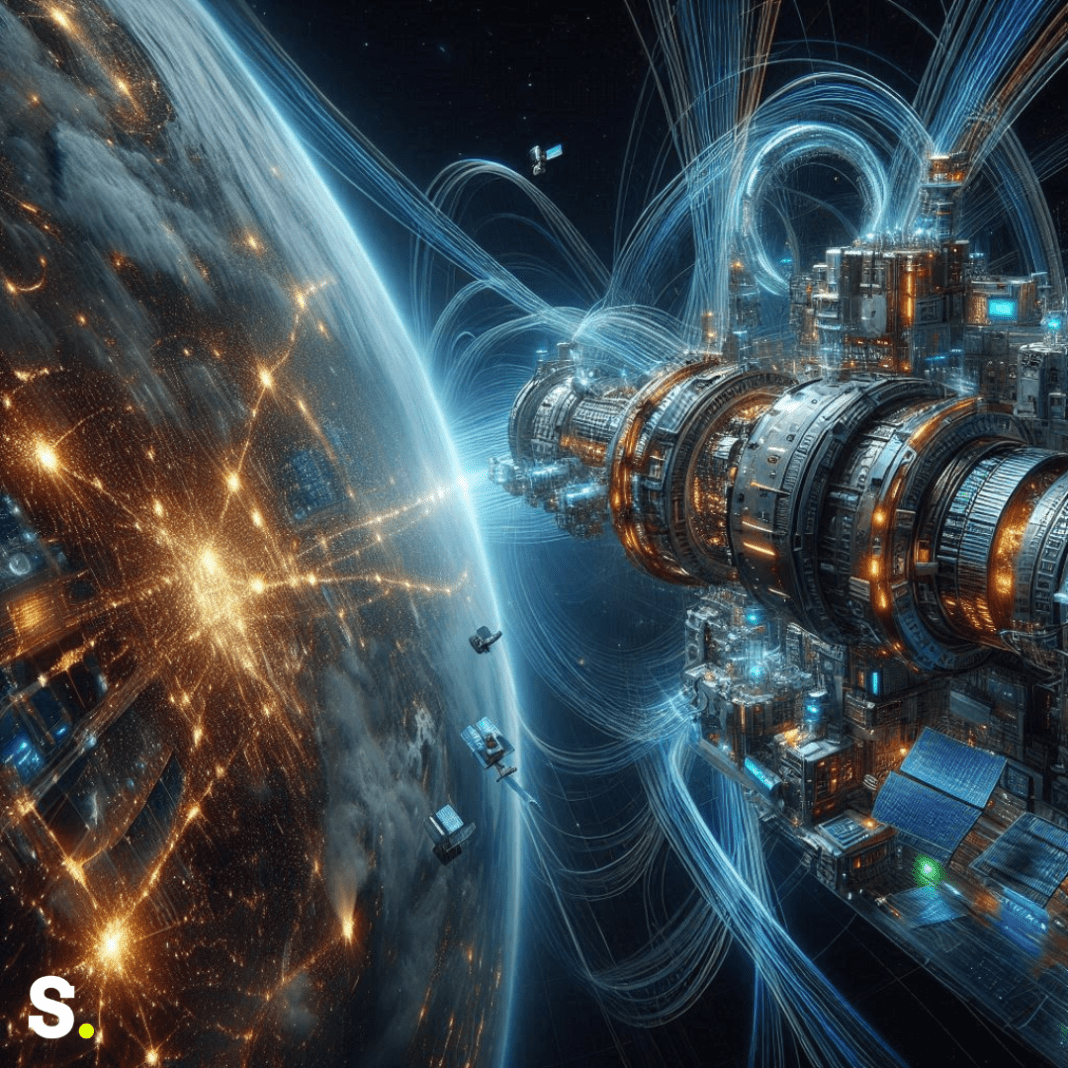
Space-based data centers are ambitious and could fundamentally change how satellite data is handled. Instead of sending all the data back to Earth, these centers would process the data directly in space. This would mean that complex calculations and image processing could be done while the satellites are still in orbit. By performing these tasks in space, the time needed to obtain crucial insights from satellite data could be dramatically reduced. This capability would be particularly advantageous for applications requiring quick analysis of satellite images, such as during natural disasters.
Technical Challenges of Operating in Space
Building and operating data centers in space presents several significant technical challenges. One major concern is dealing with the harsh conditions of space. Unlike on Earth, where we have a controlled environment, space is a very hostile place. Data centers in space would need to withstand extreme temperatures, high levels of radiation, and other challenging conditions.
Radiation in space is far stronger than on Earth. This radiation can damage electronic components and affect the performance of data processing systems. Engineers and scientists must find ways to protect the equipment and ensure it can operate reliably despite the radiation.
Temperature extremes also pose a challenge. Space can be extremely cold or very hot, depending on the position relative to the Sun. Managing the temperature of sensitive equipment in such conditions requires advanced cooling and heating systems. These systems must be robust and energy-efficient to function properly.
Another challenge is the limited power supply. Unlike on Earth, where power can be drawn from the grid, space-based data centers would rely on solar panels or other power sources. Ensuring a consistent and sufficient power supply for these data centers is a critical concern that needs to be addressed.
Exploring Different Scenarios for Data Processing
The team working on this project is considering various scenarios for how data could be processed in space. One approach involves processing data directly on the satellites themselves. This method would involve equipping the satellites with advanced data processing capabilities so they can handle the data they collect before transmitting it back to Earth.
Another scenario being explored is transferring data to a geostationary data center. Geostationary satellites orbit at a fixed position relative to Earth, which means they stay in the same spot above the planet. Placing a data center in this orbit could provide a stable and continuous environment for processing data.
Additionally, the team is exploring the idea of using a lunar lander as a processing hub. This approach involves sending a lander to the Moon, where it could serve as a base for data processing. The Moon’s surface could offer a more stable environment compared to the harsh conditions of space.
Each of these scenarios presents its own set of challenges and potential benefits. The choice of approach will depend on various factors, including the specific requirements of the data being processed and the technical feasibility of each method.
The exploration of space-based data centers is a remarkable step forward in managing satellite data. By addressing the technical challenges and exploring different processing scenarios, researchers and engineers are working towards a future where data processing can be done efficiently in space. This innovative approach has the potential to significantly enhance our ability to analyze and utilize satellite data, leading to better insights and faster responses to critical situations.