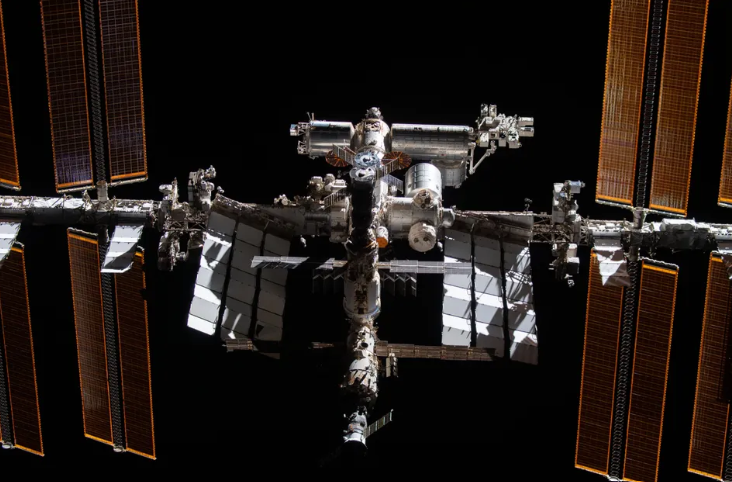



Space has long been viewed as a peaceful frontier meant for the benefit of all humanity. However, as more nations expand their activities beyond Earth, the meaning of “peace” in space is becoming less clear. Actions once seen as risky or harmful are now sometimes justified under this broad idea, raising growing concerns about safety and stability in orbit.
The Changing Meaning of “Peace” in Space
For decades, space has been described as a peaceful place meant for all humanity. In the early days of space exploration, countries agreed that outer space should be used for cooperation, discovery, and scientific progress, not conflict. The idea was clear: space should never become a battlefield.
Over time, however, the meaning of “peace” in space has quietly changed. It no longer strictly means the absence of military activity. Instead, it has become a flexible term that can include actions that may seem harmful, such as testing weapons or even destroying satellites.
This shift has created growing confusion. While nations continue to speak about keeping space peaceful, some activities in orbit suggest otherwise. The term “peaceful use” is now often interpreted in a way that allows military involvement, as long as it is not openly aggressive. This has led to a “fog of peace,” where the meaning of peace has become so broad that it can include actions that risk damaging critical space systems.
Why Satellites Matter More Than Ever
Today, space is not just about astronauts and rockets. It plays a vital role in everyday life on Earth. Many of the services people use daily depend on satellites orbiting the planet.
For example, weather forecasts rely on satellite data to predict storms and climate patterns. Navigation systems, like GPS, help people travel safely on roads, seas, and in the air. Communication satellites make it possible to have video calls, watch live events, and send messages across the world instantly.
Satellites also support emergency services. They help track natural disasters, guide rescue teams, and provide communication during crises. Financial systems even depend on satellites for accurate timing, which is essential for global transactions.
Because of this heavy reliance, any disruption in space can have serious effects on life on Earth. If satellites are damaged or destroyed, it could lead to communication breakdowns, navigation failures, and delays in emergency responses.
One of the biggest concerns is the testing of anti-satellite weapons. These tests sometimes involve deliberately destroying satellites in orbit. While these actions may be described as part of defense strategies, they create large amounts of debris in space.
This debris can travel at extremely high speeds and pose a danger to other satellites. Even a small piece can cause major damage if it collides with another object. Over time, this increases the risk of chain reactions, where collisions create more debris, leading to even more collisions.
A Long History of Mixed Signals
The tension between peaceful goals and military use of space has existed since the very beginning of the space age. Early missions were celebrated as major achievements for humanity, but the same rocket technology used to launch satellites could also be used for weapons.
As space activities expanded, global agreements encouraged peaceful use. However, they never clearly defined what “peaceful” actually meant. This allowed countries to continue developing military-related technologies in space without officially breaking any rules.
Over time, some military uses became widely accepted. Surveillance satellites, for example, helped nations monitor each other and reduce the risk of sudden attacks. This created a situation where space was both peaceful and militarized at the same time.
Banks are launching their own satellites to track loans and reduce financial risk
Today, that balance is becoming harder to maintain. More countries and private companies are launching satellites, increasing activity in space. At the same time, new technologies make it easier to disrupt or disable these systems.
The lack of clear rules makes it difficult to control risky actions. When even destructive activities are described as maintaining peace, it becomes harder to tell the difference between defense and harm. This growing gap is raising serious global concerns.