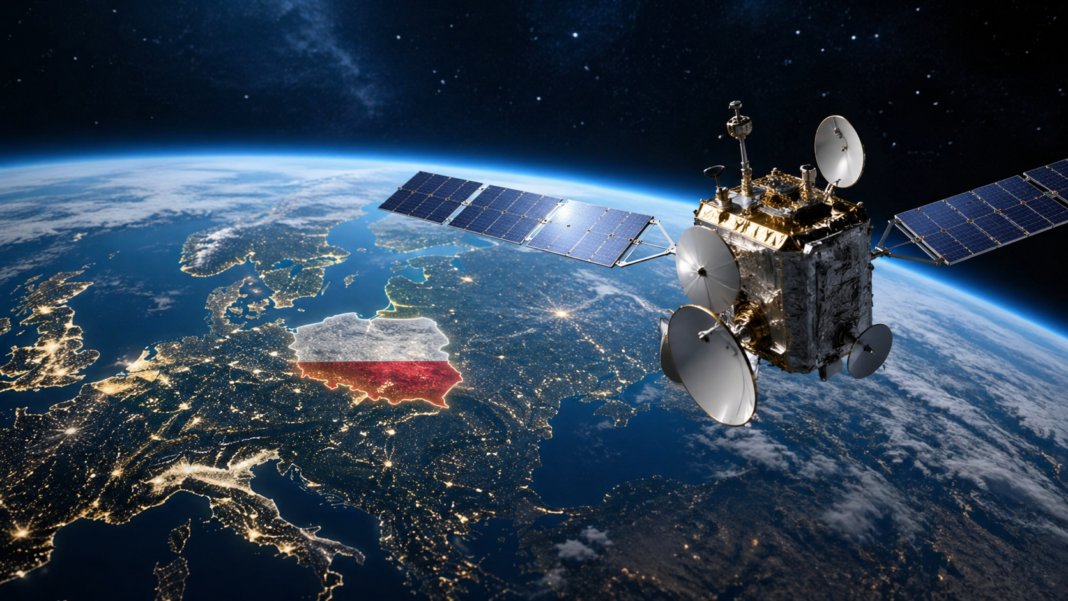



Rising AI-driven electricity demand is pushing new clean energy ideas. One major proposal uses satellites to collect solar energy in space and send it to Earth, helping solar farms produce electricity even at night when normal solar panels stop working.
Meta’s Rising Electricity Demand and the Push for Continuous Clean Energy
The rapid growth of artificial intelligence is sharply increasing global electricity demand, pushing major technology companies to find cleaner and more reliable energy sources. Meta’s data centers already consumed over 18,000 gigawatt-hours of electricity in 2024, enough to power more than 1.7 million U.S. homes for a year. This demand is expected to rise further as AI systems expand.
To address this challenge, Meta is investing in large-scale renewable energy projects with a target of around 30 gigawatts of clean power, mainly through industrial solar farms that generate electricity using vast fields of solar panels. However, solar energy has a key limitation—it stops at night, creating gaps in power supply that are usually filled by batteries or fossil fuel backup systems.
A new approach proposes solving this issue using space-based satellites that collect solar energy and send it back to Earth, helping solar farms generate electricity even after sunset.
Infrared Satellite Beaming System Designed to Power Solar Farms at Night
A four-year-old energy technology company based in Ashburn, Virginia is developing a space-based solar power system designed to generate electricity continuously and send it to Earth. The idea is to collect solar energy in space, where sunlight is available almost all the time, and then transmit it back to the ground in a safe and usable form.
The system uses satellites equipped with advanced solar panels that orbit Earth. Unlike ground-based solar farms, these satellites are not affected by clouds, weather changes, or night-time darkness, allowing them to capture energy without interruption.
After collecting sunlight, the satellites convert the energy into near-infrared light, which is similar to visible light but cannot be seen by the human eye. This light is then transmitted toward Earth using a wide, low-intensity beam.
Instead of using highly concentrated lasers or powerful microwave beams, the system spreads infrared light over large areas. When this light reaches Earth, it is captured by existing solar farms and converted into electricity using the same solar panels already in use.
This approach is designed to work with current solar infrastructure rather than replace it, reducing additional costs. It also aims to improve safety by avoiding highly focused energy beams and instead using a broad, low-risk transmission method that covers large regions efficiently.
Satellite Network Plans, Energy Capacity Agreements, and Early Testing
The project has already completed early-stage tests involving solar energy transmission from an aircraft to the ground. These experiments helped researchers understand how solar energy beams travel through distance and how efficiently solar energy can be converted into electricity when they reach solar farms. The main goal was to study performance and safety before moving into space-based solar energy trials.
The next step involves launching a demonstration satellite into low Earth orbit. This mission will test how effectively solar energy can be sent from space directly to Earth-based solar farms. The launch is planned as part of an early orbital testing phase in the coming years.
In the long term, the project aims to build a large network of around 1,000 satellites placed in geosynchronous orbit. In this orbit, each satellite stays fixed over the same area of Earth, allowing continuous solar energy delivery to specific regions.
NASA scientists stunned as the Sun ‘wakes up,’ unleashing more solar flares than expected
Once fully deployed, the system could cover a large portion of the planet, with initial focus areas stretching from the western United States to Western Europe. As Earth rotates, satellites would shift solar energy delivery to match nighttime zones where solar farms stop producing electricity.
A major commercial agreement has already been signed for up to 1 gigawatt of space-based power supply. Each satellite is expected to operate for more than ten years, forming a long-term system for continuous solar energy support.