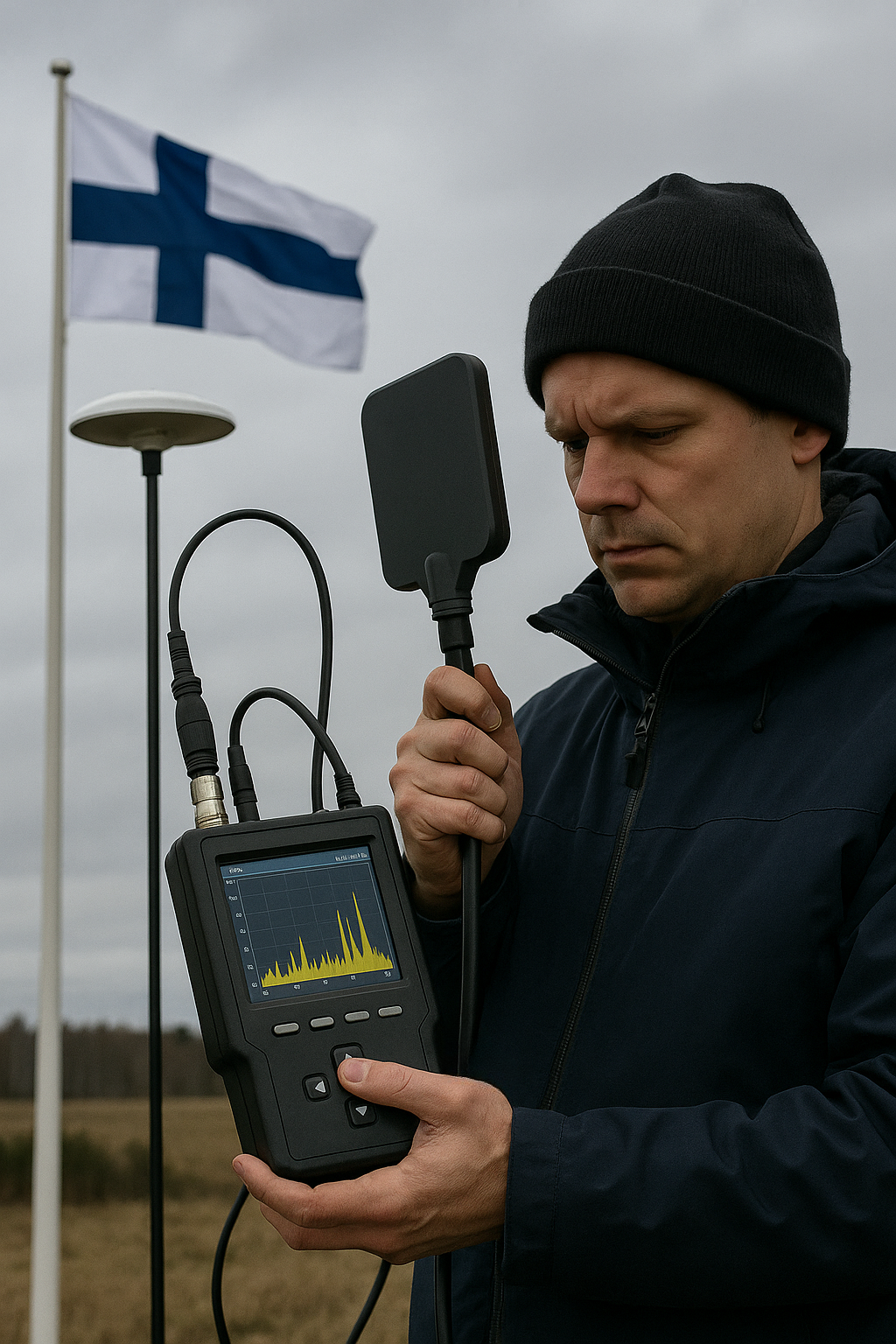

In recent years, Finland has faced a significant challenge involving disruptions to satellite-based positioning systems, such as GPS. This interference, believed to be coming from Russia, has raised serious concerns, especially in sectors like aviation, maritime activities, and even military operations. In response, Finnish researchers are working to develop a device aimed at identifying and counteracting these jamming efforts, which have become more frequent since 2022. The device, which is being designed with the help of advanced algorithms, will help mitigate the risks posed by intentional GPS disruptions.
Increased Jamming Activity in Finland
Finland, which shares a lengthy border with Russia, has experienced a sharp increase in the number of satellite positioning system disruptions. The Global Navigation Satellite System (GNSS), which includes widely known systems such as GPS (Global Positioning System) and Galileo, plays a critical role in daily operations for numerous industries. These systems help with navigation for ships, airplanes, and even military activities, while also providing essential satellite imagery for various sectors, including forestry.
Since 2022, Finland has seen a surge in suspected jamming incidents, leading to widespread disruptions. According to the Finnish transport and communications agency, Traficom, reports of interference in satellite positioning services rose dramatically in 2023, with nearly 2,000 incidents recorded compared to just 239 the previous year. This interference is not only impacting civilian activities such as travel and shipping but also affects the military, border security, and vital sectors like agriculture and forestry.
India’s Operation Brahma to Help Myanmar Shaken by Sinister GPS Spoofing Attacks
Risks to Aviation and Maritime Traffic
One of the most concerning impacts of satellite signal jamming in Finland is its effect on aviation and maritime traffic. Aircraft, especially those operating in Finland’s eastern regions, have faced challenges navigating and landing safely. In some instances, planes have been unable to land at certain airports due to the loss of GPS signals. The disruption in maritime traffic is equally alarming, as ships rely on satellite-based systems to navigate through busy waters. With increased jamming, these essential services are at risk of being severely hampered, creating significant safety and economic challenges.
The interference is believed to be caused by actions from Russia, which has a long border with Finland. Since the start of Russia’s invasion of Ukraine in 2022, Finland has been focusing more on improving its defense capabilities and securing its borders. The growing incidents of GNSS interference are viewed as part of a broader strategy that aims to create chaos and disrupt key operations, particularly in a region of strategic importance like Finland. The jamming tactics used by Russia are thought to be a deliberate effort to impact not only Finland’s national security but also its broader economic stability.
GPS Breakthrough : How Space Tech is Enhancing Global Positioning Systems
The Development of a Counteracting Device
In response to increasing GPS jamming incidents, Finnish researchers began developing a specialized device in April to detect and counter satellite signal interference. The project, funded by the European Union, focuses on creating customized algorithms to identify tampered signals and warn users in real-time. The device aims to protect both civilian and military operations that rely on GNSS technology.
Set to run for two years in North Karelia, eastern Finland, where jamming has been frequent, the project will create systems that not only identify but also mitigate the impact of interference. This technology is particularly important for industries like aviation and maritime, ensuring safe operations in regions with high jamming activity. It will also support military and security services in detecting disruptions to their satellite systems.
Finland’s investment in this device is crucial for safeguarding vital systems against external threats, ensuring that the country’s operations remain functional despite GPS disruptions. The device, once developed, will play a key role in maintaining security and operational stability.