
All SpaceX Falcon 9 rocket landings have been formally halted by the Bahamas government until further notice. This decision comes after an explosion involving a SpaceX Starship caused fragments to fall over areas near the Bahamas.
SpaceX Landings Suspended by Bahamas Government
The government says it will not allow any more rocket landings until a full environmental review is completed.
This is a major move, especially because the Bahamas had already approved 19 SpaceX landings for the year 2025. However, those landings were still waiting on final approvals. The recent rocket incident changed everything. Now, the focus is on making sure that these space activities do not harm the environment or people living nearby.
According to the government’s announcement, the suspension is not permanent but will remain in place while officials study the effects of rocket landings and debris in Bahamian airspace. This study will help them understand if rocket pieces could damage land, sea, or air quality in the area.
Switzerland Steps In as Tensions Mount Over Militarization of Space
Starship Explosion Sparked Safety and Environmental Worries
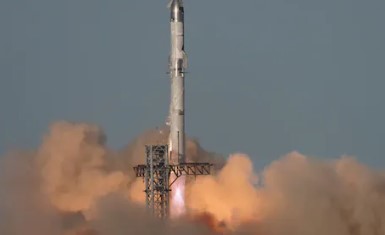
The reason for the sudden stop in SpaceX landings is an incident involving one of the company’s Starship rockets. This rocket launched from Texas but broke apart while it was still in space. Over portions of the Bahamas and South Florida, fragments of the rocket were observed falling. People even caught the fiery debris on camera and shared it on social media.
Although experts said the debris was not toxic and would not harm marine life, the event still caused a lot of concern. Large pieces falling from space can be dangerous. They might land in the ocean, on islands, or even near homes. Even if they are not poisonous, they can still harm coral reefs, disturb sea animals, or leave sharp metal parts in the water.
After the incident, Bahamian officials decided it was important to take a closer look at what rocket landings and accidents might mean for the environment. The Bahamas are a group of numerous small islands with clear waters and a wealth of marine life. Because of that, any risk to the environment is taken very seriously.
Terrifying Russian Nuke Threat in Space Alarms NATO, Ignites Global Security Fears
SpaceX Faces Pause in Reusable Rocket Plans
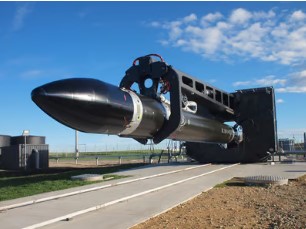
Before the suspension, SpaceX had been working with the Bahamas government to set up landing areas for its Falcon 9 rockets. These rockets are special because they can land back on Earth after launching into space. This helps save money and reduce waste, as the rockets can be used again and again. SpaceX hoped to use the Bahamas as a landing site because of its location and open ocean spaces.
However, the recent Starship failure has put those plans on hold. The Bahamas are a group of numerous small islands with clear waters and a wealth of marine life. The company had been planning to continue building its reusable rocket program, and the Bahamas was seen as a helpful partner in this mission.
Now, before any more rockets land in Bahamian territory, the government will carry out a full investigation. This means checking what happens when rockets fall apart, how their debris spreads, and whether these events could pollute the air, sea, or land.
GPS Jamming Threat: Finland’s Swift Action with New Detection Device
Until that review is completed and analyzed, no further landing permissions will be granted. The goal is to make sure that new technology like reusable rockets does not bring risks to the environment, especially in a place as sensitive and beautiful as the Bahamas.
This suspension is a reminder that space exploration must always be balanced with care for our planet. As more countries and companies reach for the stars, the safety of those on Earth—including people, animals, and nature—remains a top priority.