
Massive Missile Deal Approved
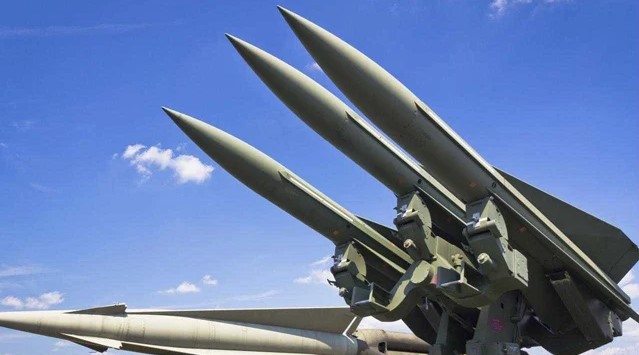
The United States has officially approved a major arms sale to Australia worth $1.04 billion. This sale includes up to 200 advanced air-to-air missiles from the AIM-120 series. These are the AIM-120C and AIM-120D models, which are designed to be fired from fighter jets and can strike targets in the air from long distances. Along with the missiles, the package also includes related equipment, training tools, and support services.
This large deal was confirmed by the US Defense Security Cooperation Agency (DSCA), which handles weapon sales to partner countries. According to the DSCA, this sale is meant to help Australia improve its ability to defend itself from modern threats. The missiles are expected to make Australian fighter aircraft more capable and more likely to survive in dangerous situations.
These missiles are known for their high speed and accuracy. They can locate and destroy enemy aircraft before being seen, which gives a strong advantage in air battles. The US believes that giving these weapons to Australia will strengthen the alliance between the two countries and make it easier for them to work together during military operations.
A Strong Alliance Under AUKUS
Australia is part of a strong three-nation defense partnership with the United States and the United Kingdom. This alliance is known as AUKUS. One of the biggest agreements under AUKUS is for Australia to buy nuclear-powered submarines from the United States. These submarines are not for carrying nuclear weapons but for having powerful engines that can travel long distances without needing to refuel.
The missile sale is another step in building up military cooperation under AUKUS. Australia is working closely with its partners to improve its defense systems, especially in the Western Pacific region, where security is becoming more complicated. This deal helps Australia to match modern military technologies and stay prepared for any challenge.
The United States views Australia as one of its most trusted allies in the Pacific. Officials have said that helping Australia stay strong and ready is important for the safety of both nations. This kind of support strengthens teamwork and helps both countries protect their shared interests.
Final Approval Process
Even though the US government has approved the deal, one final step remains. The US Congress needs to give its approval. However, this step is usually a formality, and it is very unlikely that lawmakers will block the sale. Once Congress gives the green light, the agreement will move forward.
This missile sale is one of the many recent examples of the growing defense ties between the US and Australia. It highlights how both nations are working more closely to respond to changing security situations in the world.
The AIM-120 missiles that Australia is set to receive are among the most advanced air-to-air weapons currently used by the United States and its allies. These missiles are designed to operate in different weather conditions and can be launched from various types of fighter aircraft. They use radar guidance to find their targets and can hit with great precision.
Besides the weapons themselves, the sale also includes containers, spare parts, test equipment, technical documentation, software, and logistics support. This ensures that Australia can fully operate and maintain the missiles after delivery.
The DSCA has emphasized that this deal will not only improve Australia’s defense strength but will also support stability and peace in the wider Indo-Pacific region. By providing modern technology and training, the US is ensuring that its partner is ready for any situation that might arise.
The final documentation has been sent to Congress, and all signs suggest that the sale will go through without delay. The decision to approve such a large and advanced missile sale reflects the trust and strategic bond between the two nations.