


As space missions to the Moon gain momentum, scientists are preparing astronauts through advanced research and training on Earth. In Arizona, unique desert landscapes and innovative work are helping support upcoming missions led by NASA, bringing humans closer to returning to the lunar surface.
Arizona Landscapes Helping Shape Future Moon Missions
Excitement around recent lunar missions is growing, but scientists are already preparing for the next step—sending humans back to the Moon. The Artemis missions, led by NASA, aim to land astronauts on the lunar surface for the first time since the Apollo program.
Much of this preparation is happening on Earth, especially in Arizona. Researchers from Arizona State University are using the region’s desert landscapes to train astronauts. The dry and rocky terrain closely resembles conditions found on the Moon.
Locations like Meteor Crater and Cinder Lake provide realistic environments for practice. These sites help astronauts learn how to move safely, explore, and carry out scientific work on uneven, dusty surfaces before heading into space.
Artemis Missions and the Push to Return to the Moon
The Artemis program is a major effort by NASA to bring humans back to the Moon. The mission called Artemis II marked an important milestone by sending astronauts on a journey around the Moon. It was the first time in more than 50 years that humans traveled so far into space.
During this mission, the crew traveled over 250,000 miles from Earth. This distance even surpassed the record set during Apollo 13. The mission lasted about 10 days and ended with a safe landing in the Pacific Ocean.
While Artemis II did not land on the Moon, it tested critical systems needed for future missions. The next step, Artemis III, is expected to land astronauts on the lunar surface. This mission will build on the knowledge gained from earlier flights and training exercises.
Moon resources in high demand among powerful nations.
Arizona-based research plays a strong role in these efforts. Scientists help design training programs, support mission operations, and develop tools that astronauts will use during their journeys. Their work ensures that each mission becomes safer and more effective.
In addition to physical training, research teams also focus on how astronauts conduct science during missions. This includes studying rocks, collecting samples, and understanding the Moon’s history. Practicing these tasks on Earth helps astronauts perform them better in space.
Science, Technology, and Training Come Together
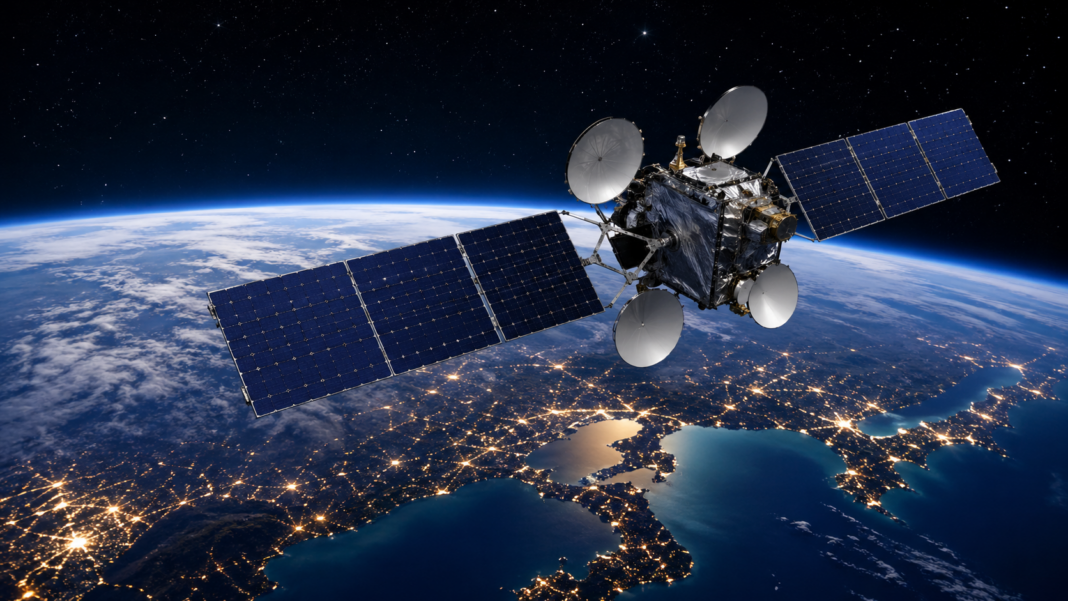
The contribution of researchers from Arizona State University goes well beyond field training in desert landscapes. Their work plays a key role in developing advanced technologies that support modern space missions. This includes systems that allow spacecraft to communicate with Earth, send scientific data, and maintain reliable connections during long-duration missions.
One major area of focus is improving how signals are received from deep space. Scientists are working on highly sensitive detectors that can capture extremely faint signals traveling across millions of kilometers. These technologies are critical for ensuring constant communication with astronauts and spacecraft, which is essential for both safety and mission success.
Artemis II astronauts express high confidence in Moon landing after successful lunar flyby
ASU has built a strong reputation in space exploration over the years. The university has contributed to more than 25 missions across the solar system. Its instruments are actively being used in missions studying Earth, Mars, the Moon, and even distant asteroids. This experience places ASU among a small group of institutions capable of supporting complex interplanetary spacecraft development.
In addition to technology, researchers also study environments on Earth that resemble other worlds. Arizona’s desert provides a natural testing ground where astronauts can practice working in unfamiliar conditions. This combination of hands-on training and advanced research continues to support missions led by NASA.