

Life on Earth includes more than just humans, animals, and forests. A hidden world of tiny organisms exists almost everywhere, from deep-sea vents to icy polar regions, and these microscopic life forms outnumber all plants and animals combined. Recently, they drew global attention when a massive, bright glow appeared in satellite images, looking like a giant ocean creature and catching the eye of scientists studying Earth from space.
NASA Spots a Giant Glow Off Australia’s Coast
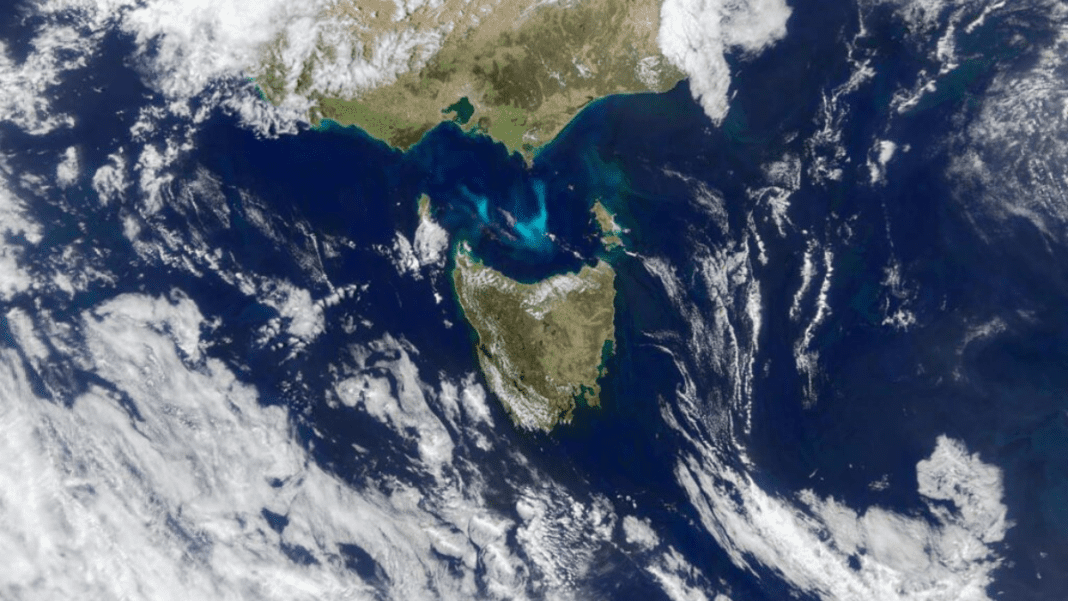
The glowing formation was spotted in the ocean off southern Australia near the Bonney Coast, between the mainland and the island of Tasmania. From space, the bright patch appeared unusually large, spreading across a wide area and shining clearly against the dark ocean surface.
Scientists identified the glow as a massive bloom of bioluminescent phytoplankton. These microscopic, plant-like organisms float near the ocean’s surface and play a vital role in marine ecosystems, as many sea creatures depend on them for food.
NASA shifts Artemis II launch dates after fuel system seals fail critical stress tests
What made this bloom stand out was its size and brightness. While such blooms occur in many parts of the world, this one was strong enough to be seen from orbit. The discovery was made using data from NASA’s PACE spacecraft, which tracks ocean color to monitor phytoplankton and other tiny ocean life.
Why the Ocean Glows in Southern Australia
The glowing formation was spotted in the ocean off southern Australia near the Bonney Coast. This area lies between the Australian mainland and the island of Tasmania. From space, the bright patch appeared unusually large and clearly visible against the dark ocean.
Scientists identified the glow as a massive bloom of bioluminescent phytoplankton. These are microscopic, plant-like organisms that float near the ocean’s surface and are found in seas around the world.
NASA’s 5th Biennial Exercise to tackle Asteroid threats
Phytoplankton play a vital role in marine ecosystems. Many sea creatures depend on them for food, either directly or through the food chain, making them essential for ocean life.
What made this bloom stand out was its size and brightness. While similar blooms happen in many places, this one was strong enough to be seen from orbit using data from NASA’s PACE spacecraft, which tracks ocean color to monitor tiny ocean life.
Tiny Organisms Behind a Massive Natural Spectacle
Even though the glowing bloom looks like a single giant creature from space, it is actually made up of countless tiny organisms working together. Each dinoflagellate is extremely small, often no wider than a human hair. Yet together, they form the base of many food chains in the ocean.
Small fish and other sea creatures feed on phytoplankton, and larger fish then eat those smaller animals. Humans rely on many of these fish for food, meaning microscopic organisms like dinoflagellates play a direct role in supporting life far beyond the water where they live.
Bioluminescence is believed to help dinoflagellates survive. When they glow, the sudden flash of light can scare away predators or attract larger animals that may consume the smaller threats. This natural defense system has developed over millions of years.
Another interesting feature of these organisms is their internal clock. Dinoflagellates only glow at night, following a natural rhythm similar to the human sleep cycle. This timing explains why glowing waters are usually seen after sunset.
The massive glowing bloom detected by NASA highlights how much of Earth’s life remains hidden from everyday view. Though usually invisible to the naked eye, these tiny organisms support ecosystems, balance marine chemistry, and create striking natural displays.
Using satellites like PACE, scientists can now observe these fragile yet powerful life forms from space, helping build a clearer picture of how Earth’s seas remain active and interconnected.