

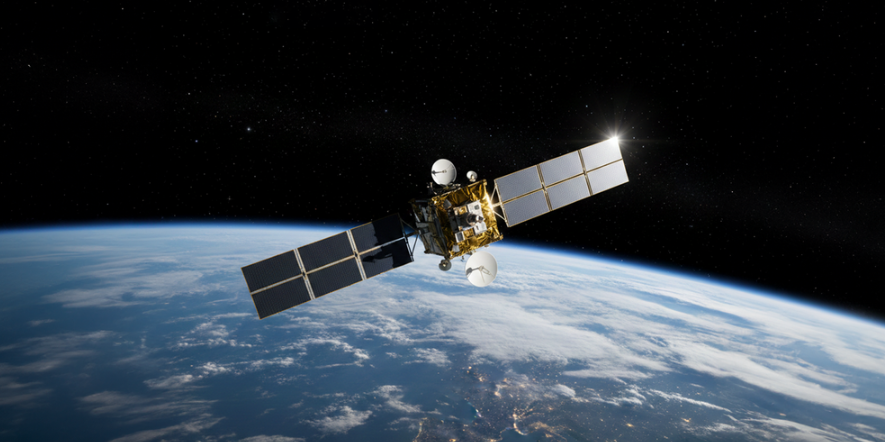

The United Kingdom is now one of the top early markets for direct-to-device (D2D) satellite connectivity, according to Ookla data. This technology lets smartphones connect directly to satellites when mobile networks are unavailable. The UK ranks among the top three globally, driven by O2 Satellite’s launch and early regulatory approvals, though usage remains brief and focused in rural areas with weaker coverage.
UK rises to third place globally in D2D satellite usage
The United Kingdom has rapidly emerged as one of the world’s leading markets for direct-to-device (D2D) satellite connectivity, according to new network activity data from Ookla. D2D technology allows standard smartphones to connect directly to satellites without extra hardware, special devices, or separate SIM cards, helping users stay connected when mobile towers are unavailable.
Between July 2025 and March 2026, UK usage of D2D services increased sharply. The country has now climbed to third place globally in terms of unique D2D users, behind only the United States and Australia. The UK accounts for around 11% of all tracked D2D users worldwide, a significant figure for a nation with strong existing mobile coverage.
Amazon eyes exciting Kenya market entry with Project Kuiper satellite license
Despite high adoption, usage remains light. The UK ranks ninth globally for frequency of use, with an average of about four satellite scans per user in March 2026. In comparison, Canada recorded around 29 scans per user, showing much heavier reliance on satellite connectivity.
O2 Satellite launch brings direct phone-to-satellite connection
A major reason behind this growth is the launch of O2 Satellite by Virgin Media O2 on 26 February 2026. This service made the UK the first country in Western Europe where regular smartphones could connect directly to satellites using normal mobile networks.
The service does not require users to change their phone or install a new SIM card. It works through supported mobile devices that automatically connect to satellites when there is no ground network available.
O2 Satellite is designed to fill gaps in mobile coverage, not replace regular mobile networks. It is mainly useful in areas where mobile signals are weak or unavailable.
At launch, the service focused on simple data-based functions instead of full mobile features. It does not currently support standard voice calls, text messaging, emergency calls, or emergency alerts. Because of this, it works as a backup connection rather than a full replacement for mobile networks.
The rollout followed new regulatory approval from Ofcom, which allowed mobile spectrum to be used for satellite-to-phone communication. This approval process was completed shortly before the commercial launch, allowing the service to go live almost immediately afterward.
How people are using satellite connections across the UK
Satellite connection data in the United Kingdom shows that direct-to-device (D2D) usage is mostly happening in short bursts rather than long, continuous sessions. Many users only connect briefly when they move outside normal mobile network coverage.
This pattern fits well with the UK’s geography and its strong existing mobile infrastructure. Most towns and cities already have reliable mobile signals, so satellite connections are not needed for daily communication. Instead, they are mainly used in specific situations where coverage drops.
The highest levels of satellite activity are seen in rural and remote regions. These include the Scottish Highlands, the Outer Hebrides, parts of Wales such as Powys and Gwynedd, and remote areas in southwest England like Exmoor and Cornwall. Additional activity is also recorded in upland regions such as the Yorkshire Dales and North York Moors.
These areas are known for weaker or inconsistent mobile coverage due to hills, long distances from towers, and low population density. In many cases, signals from different mobile operators may not fully reach these locations.
Overall, satellite connectivity in the UK is acting as a backup layer to traditional mobile networks. It switches on only when needed, such as during travel through remote roads, hiking trails, or coastal paths.
This makes it particularly useful for users moving between areas with strong and weak coverage, where mobile service can change quickly within short distances.