

The Artemis program is a bold mission by the United States to return to the Moon. It is the first American plan to land astronauts on the Moon after many years. The last time the United States visited the Moon was during the Apollo missions, over fifty years ago. Artemis is the name given to this new program that is carefully planned and organized.
🌕 America’s NASA Artemis Moon Mission
Artemis is not just about stepping on the Moon again. It is about building a path that helps space explorers stay longer and go further. The program shows America’s serious efforts to explore space with new technology and powerful rockets.
The name Artemis comes from ancient stories where Artemis was known as the goddess of the Moon. This name fits the mission perfectly because it is all about going back to the Moon and exploring its unknown parts.
The Artemis program includes several important steps. Each step must happen in the correct order. Every mission in this program is designed to test new spacecraft, check safety systems, and carefully send astronauts closer to the Moon.
One of the most exciting parts of the Artemis program is the plan to visit the Moon’s south pole. This is a special place on the Moon that has not been explored by astronauts before. Scientists believe that the south pole may have water ice hidden in dark craters. Finding water on the Moon is a very important discovery because it can help in future space missions.
The Artemis program is led by NASA, which is America’s national space agency. Many space companies and other organizations are also working with NASA to make this mission possible. The program uses powerful rockets, advanced spacecraft, and special equipment to safely carry astronauts beyond Earth.
One of the key parts of the Artemis program is the Space Launch System (SLS). This is the most powerful rocket ever built by the United States. The SLS can carry heavy spacecraft and important supplies far into space. This rocket was designed especially for missions like Artemis. It is capable of sending large equipment and astronauts all the way to the Moon.
The Artemis program also uses a spacecraft called Orion. This spacecraft is built to carry astronauts safely to the Moon and back to Earth. Orion has strong heat shields to protect it from the extreme heat when it re-enters Earth’s atmosphere. It also has life support systems to help astronauts survive the long journey.
Another important part of the Artemis program is a special space station called Gateway. Gateway will orbit around the Moon. It will be a place where spacecraft can dock, and astronauts can rest or prepare for landing on the Moon’s surface. Gateway will help make trips to the Moon safer and more organized.
The Artemis program is not just one mission. It is a series of missions that work together to make the whole journey possible. Each mission plays a very important role in testing and proving that the next step can safely happen.
The Artemis program is a big part of America’s space plans. It shows the country’s strength and determination in exploring new frontiers. The missions are carefully planned to take place one after another, and each mission has a clear purpose.
You can also visit NASA Website to know about this mission.
🚀 Step by Step: The Major Missions in the Artemis Program
The Artemis program began with an important mission called Artemis I. This mission was the first step. It was an uncrewed mission, which means no astronauts were on board. The goal of Artemis I was to test the new rocket and spacecraft. It was a way to see if everything worked correctly before sending astronauts.
Artemis I launched successfully and sent the Orion spacecraft around the Moon. The mission carefully tested the rocket’s power, the spacecraft’s controls, and the heat shields that protect the capsule during re-entry. The mission lasted several days, and Orion traveled thousands of miles. After completing its journey, the spacecraft returned safely to Earth. This success proved that the rocket and spacecraft were ready for the next mission.
The next important mission is Artemis II. This mission will carry astronauts around the Moon. They will not land on the Moon, but they will fly close to it and test all systems in real time. Artemis II will check life support systems, navigation controls, and communication devices while the crew is in deep space.
Artemis II is a key mission because it will show whether the spacecraft can support astronauts safely for long periods. It will also test the safety steps needed if anything goes wrong during the trip. This mission is essential to make sure that everything works perfectly before trying to land on the Moon.
The most awaited mission is Artemis III. This mission will attempt to land astronauts on the Moon’s south pole. This is an area that no astronaut has visited before. The south pole is exciting because there may be frozen water in the deep, dark craters that never see sunlight.
Artemis III: NASA’s Pioneering Instruments for Lunar Exploration
Water is important because it can be used to make drinking water, oxygen, and even rocket fuel in the future. Finding water would make the Moon a more useful place for long-term missions.
Artemis III will use the Orion spacecraft to carry astronauts close to the Moon. Then, a special lunar lander will carry the astronauts from Orion down to the Moon’s surface. The lunar lander is a new vehicle designed to carefully land on the Moon and bring astronauts back to Orion.
Artemis III will also carry new tools, science equipment, and devices to help astronauts explore the Moon’s surface. The mission will focus on collecting samples, testing equipment, and learning more about the Moon’s south pole.
The Artemis program will not stop after Artemis III. More missions are planned to follow. These future missions will build on the lessons learned from the earlier flights.
The Artemis missions are carefully designed to follow a step-by-step plan. Each mission is like a building block. One mission must succeed before the next one can begin. This careful approach helps reduce risks and keeps the astronauts safe.
🛰️ The Powerful Tools and Systems Behind Artemis
The Artemis program uses some of the most advanced technology ever made for space travel. Several powerful tools and systems work together to make each mission successful.
The Space Launch System (SLS) is the heart of the Artemis program. It is the most powerful rocket ever developed in the United States. The SLS can carry huge loads, including the Orion spacecraft, science equipment, and supplies needed for space missions.
The SLS is designed to send the Orion spacecraft beyond Earth’s orbit and toward the Moon. It has large fuel tanks, strong engines, and advanced guidance systems to control its flight. The rocket’s upper stage carefully pushes Orion toward its destination in space.
Artemis Mission Jeopardized: High-Stakes Fraud Exposed
The Orion spacecraft is another key part of the Artemis program. Orion is built to carry astronauts safely on long trips through space. It has a heat shield that can withstand temperatures up to 5,000 degrees Fahrenheit when returning to Earth.
Inside Orion, astronauts have the equipment needed to live and work in space. The spacecraft is equipped with life support systems, navigation controls, and communication systems that connect with mission teams on Earth.
Orion is also designed to separate from its service module, which provides power, fuel, and temperature control. After completing the mission, Orion will re-enter Earth’s atmosphere and land safely in the ocean.
Another important system in the Artemis program is Gateway. Gateway will be a small space station that orbits the Moon. It will not replace the International Space Station, but it will provide a new base near the Moon.
Gateway will support long-term lunar exploration by serving as a resting point for astronauts and a docking area for spacecraft. It will also allow astronauts to travel to the Moon’s surface in smaller landers.
The Gateway will have living quarters, science laboratories, and power systems. It will help missions stay flexible and offer a safe location if any emergencies occur in space.
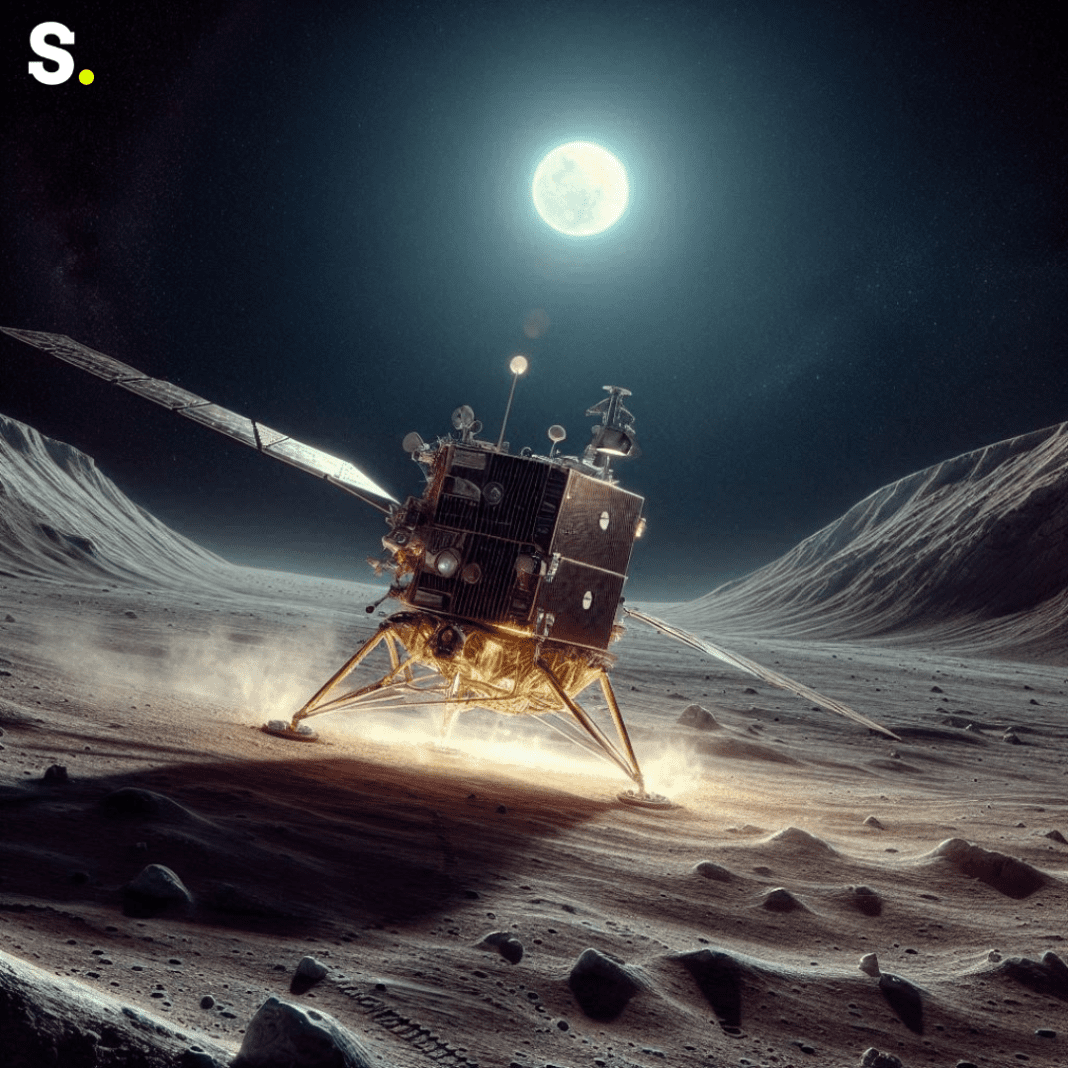
The Artemis program also depends on lunar landers. These landers are special spacecraft that can safely take astronauts from the Orion capsule down to the Moon’s surface and then bring them back to Orion.
The lunar landers are built with strong landing legs, advanced guidance systems, and space for astronauts to work during their stay on the Moon.
The Artemis program is supported by ground systems that carefully control each mission. These include mission control centers, launch pads, and communication systems that track spacecraft as they travel through space.
The Artemis missions use detailed checklists and step-by-step procedures to ensure safety and success. Each mission is tested many times before launch, and mission teams carefully watch every detail.
America’s investment in Artemis is very large. Many companies are working together to build rockets, spacecraft, landers, and other equipment. These partnerships help bring the best technology and ideas to the program.
The Artemis program is carefully managed to ensure that each part of the mission is safe, reliable, and ready for the challenges of space.
The Artemis missions are already changing how space travel is planned and prepared. The program focuses on testing new systems, learning from each mission, and improving safety for astronauts.
Each Artemis mission helps the United States take stronger steps in space exploration. The tools, spacecraft, and rockets built for Artemis are setting new records in space travel.
The Artemis program is a major step for America’s leadership in space. It is a careful, powerful effort to reach the Moon again and explore new areas that have never been touched before.