


Confidential IPO documents reveal SpaceX’s plan for a potential $1.75 trillion listing. The filing shows its expansion beyond rockets into AI and space systems, along with key risks like delays and reliance on Elon Musk.
SpaceX IPO Plans Uncovered After Years of Secrecy
Elon Musk’s SpaceX is preparing for a potential historic public listing that could value the company at around $1.75 trillion, according to confidential pre-IPO documents. If achieved, it would place SpaceX among the most valuable companies in the world.
The filing reveals details about SpaceX’s business, finances, and long-term plans, much of which has stayed private since its early days. The company was founded in the early 2000s after Musk sold PayPal in 2002 and decided to focus on space travel instead of traditional investments.
Wall Street buzzes as SpaceX readies mega IPO and Morgan Stanley takes the lead
Since then, SpaceX has become the world’s largest private space company. It has launched thousands of Starlink satellites to provide global internet and developed reusable rockets that can land and be used again, greatly reducing space travel costs.
The documents also show SpaceX expanding beyond rockets into artificial intelligence and space-based infrastructure, positioning itself as a major technology player beyond Earth.
Starlink Growth, AI Ambitions, and Trillion-Dollar Market Claims
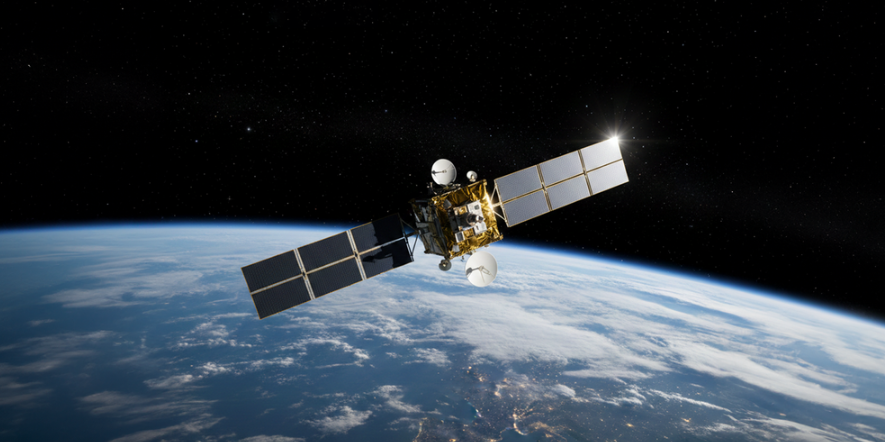
A key part of SpaceX’s business is Starlink, its satellite internet network. Starlink uses thousands of small satellites in low Earth orbit to deliver internet access across the world, including remote and rural regions where traditional networks do not reach. The system has expanded rapidly in recent years and is considered one of SpaceX’s strongest sources of revenue.
According to confidential IPO documents, SpaceX is planning much more than satellite internet. The filing describes ambitious ideas such as artificial intelligence systems, space-based data centers, and even future industries on the Moon and Mars. These plans show the company’s aim to move far beyond its original focus on rockets and communications.
The documents also claim SpaceX is targeting a massive total market opportunity of around $28.5 trillion, a figure larger than the entire economy of the United States. This reflects its wide-ranging vision, which includes capturing solar energy in space and supporting large-scale AI computing outside Earth.
Starlink Expands Global Connectivity with Direct-to-Cell Satellite Technology
The filing highlights SpaceX’s mission of making life multi-planetary and expanding human presence beyond Earth, with statements emphasizing the creation of a space-faring civilization.
However, the documents also show challenges. SpaceX is investing less in artificial intelligence compared to major tech firms like Microsoft, Google, and OpenAI. The company also reported losses last year, even as revenue from launches and Starlink continues to grow. Many of its newer projects remain experimental and unproven in terms of profitability.
Risks, Starship Delays, and Heavy Dependence on Elon Musk
Despite strong growth, SpaceX’s IPO filing highlights several major risks, especially around its most important future project, Starship. Starship is designed to be a fully reusable and much larger rocket than anything currently in use, and it is central to SpaceX’s long-term plans.
The documents show that Starship development has faced repeated delays and technical failures. Some test flights have ended in explosions or unsuccessful landings, while regulatory approvals have also slowed progress. These setbacks show how complex it is to build a fully reusable rocket for deep space travel.