
What Is the Buck Moon?
July’s full moon, known as the Buck Moon, is a special sight that captivates skywatchers each year. This year, the Buck Moon will reach its peak brightness on Sunday, July 21. For those in North America, this celestial event will also appear bright and full on the evenings of Saturday and Monday, offering multiple opportunities to marvel at its beauty.
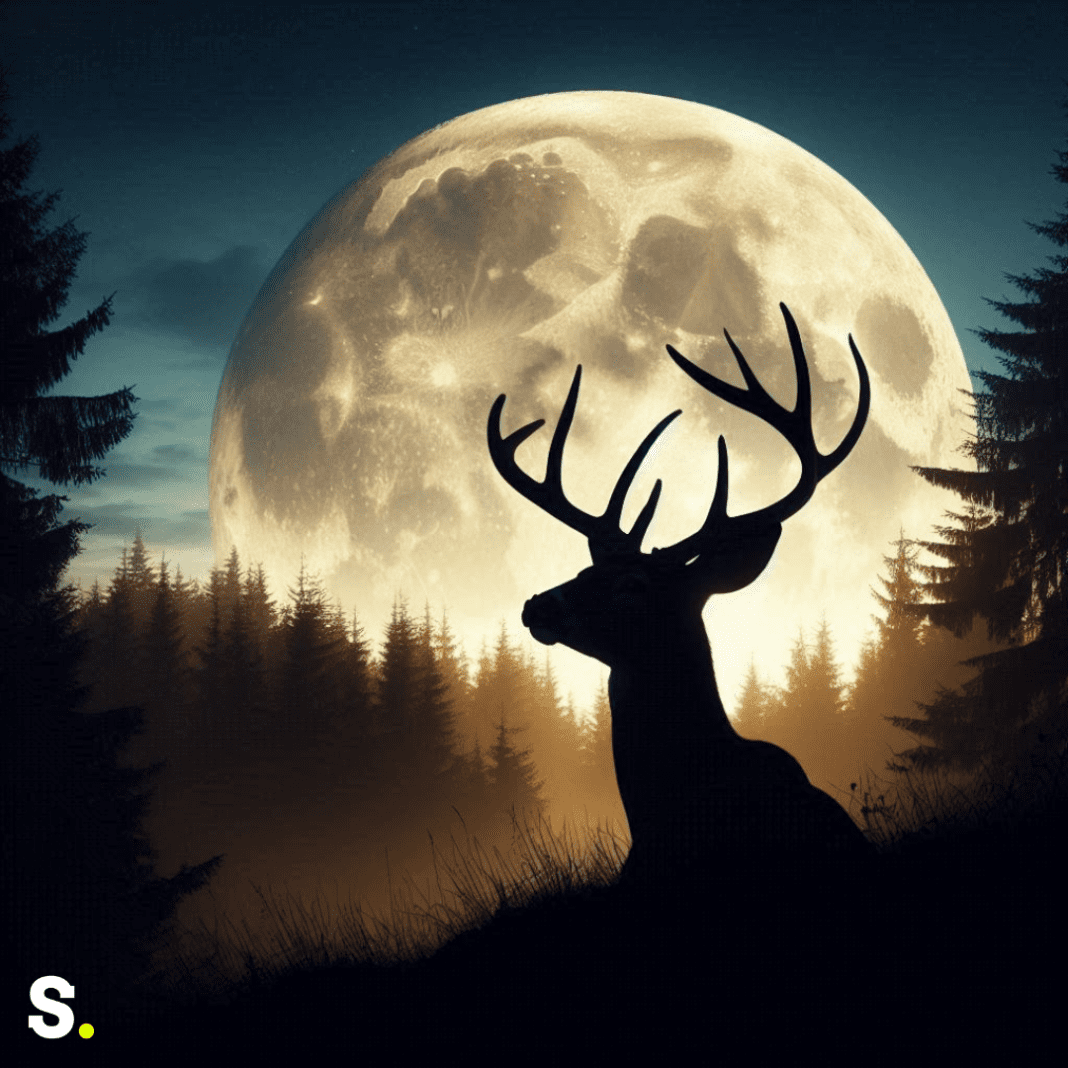
Native American tribes gave the name “Buck Moon” because they noticed that young male deer, or bucks, start to grow new antlers at this time of year. This occurrence of nature represents rebirth and progress in the animal realm. Alongside the Buck Moon, July’s full moon has other traditional names like the Thunder Moon, due to the frequent thunderstorms during the month, and the Hay Moon, associated with the hay harvest. The Anishinaabeg people call it Miin Giizis, or Berry Moon, which highlights the time when berries are ripe for picking.
How and When to Look for the Buck Moon
The Buck Moon will be at its fullest at 6:17 a.m. EDT on Sunday. However, the best time to witness its grandeur from North America is during moonrise that evening. As the sun sets in the west, the full moon rises in the east, creating a stunning visual as it climbs higher into the night sky. The exact time of moonrise varies depending on your location, so be sure to check local moonrise times.
Watching a full moon can be a magical experience. It shines brightly all night, illuminating the landscape with its gentle glow. After a full night of brilliance, the moon sets in the west just as the sun begins to rise in the east. This unique positioning occurs because a full moon happens when Earth is directly between the sun and the moon, allowing the moon to be fully illuminated by the sun’s light.
The cycle from one full moon to the next is about 29.53 days, known as a synodic month. This consistent rhythm has fascinated humans for centuries, influencing calendars and cultural events worldwide.
The Last Regular Full Moon for a While
As the last full moon of the following four months, the July Buck Moon is noteworthy. Following the Buck Moon, the next full moon will be the Sturgeon Moon on Monday, August 19. This upcoming event is particularly exciting because it marks the first of four consecutive supermoons in 2024.
A supermoon occurs when a full moon coincides with the moon’s closest approach to Earth, known as perigee. Because the moon’s orbit is slightly oval, each month, there is a nearest point (perigee) and a farthest point (apogee). When the full moon aligns with perigee, it appears larger and brighter than usual, creating the stunning spectacle known as a supermoon. These supermoons offer a great opportunity for sky enthusiasts to observe the moon in all its glory, as its enhanced size and brightness make it a particularly impressive sight.
Even without special equipment, the full moon can be admired with the naked eye on clear nights. Its luminous presence in the night sky is enough to captivate anyone who gazes upon it. However, for those who want a closer look, using stargazing binoculars or a small telescope can reveal more details of the moon’s surface. This equipment can bring specific regions of the moon’s Earth-facing side into much sharper focus, highlighting craters, mountains, and other lunar features.
Observing the full moon is a timeless activity that connects us with the natural rhythms of our planet and the universe beyond. The Buck Moon, with its rich cultural history and natural beauty, offers a perfect opportunity to step outside and appreciate the wonders of the night sky. Whether you’re an avid astronomer or simply someone who enjoys a peaceful moment under the stars, the Buck Moon is an event not to be missed.
As you prepare to witness this celestial event, remember the unique names and stories associated with July’s full moon. From the new antlers of young bucks to the ripening berries, these natural signs remind us of the changing seasons and the continuous cycle of life. So, mark your calendars, find a good viewing spot, and enjoy the enchanting and mysterious Buck Moon in all its glory.