


Major Investment by KASA for Space Vehicles
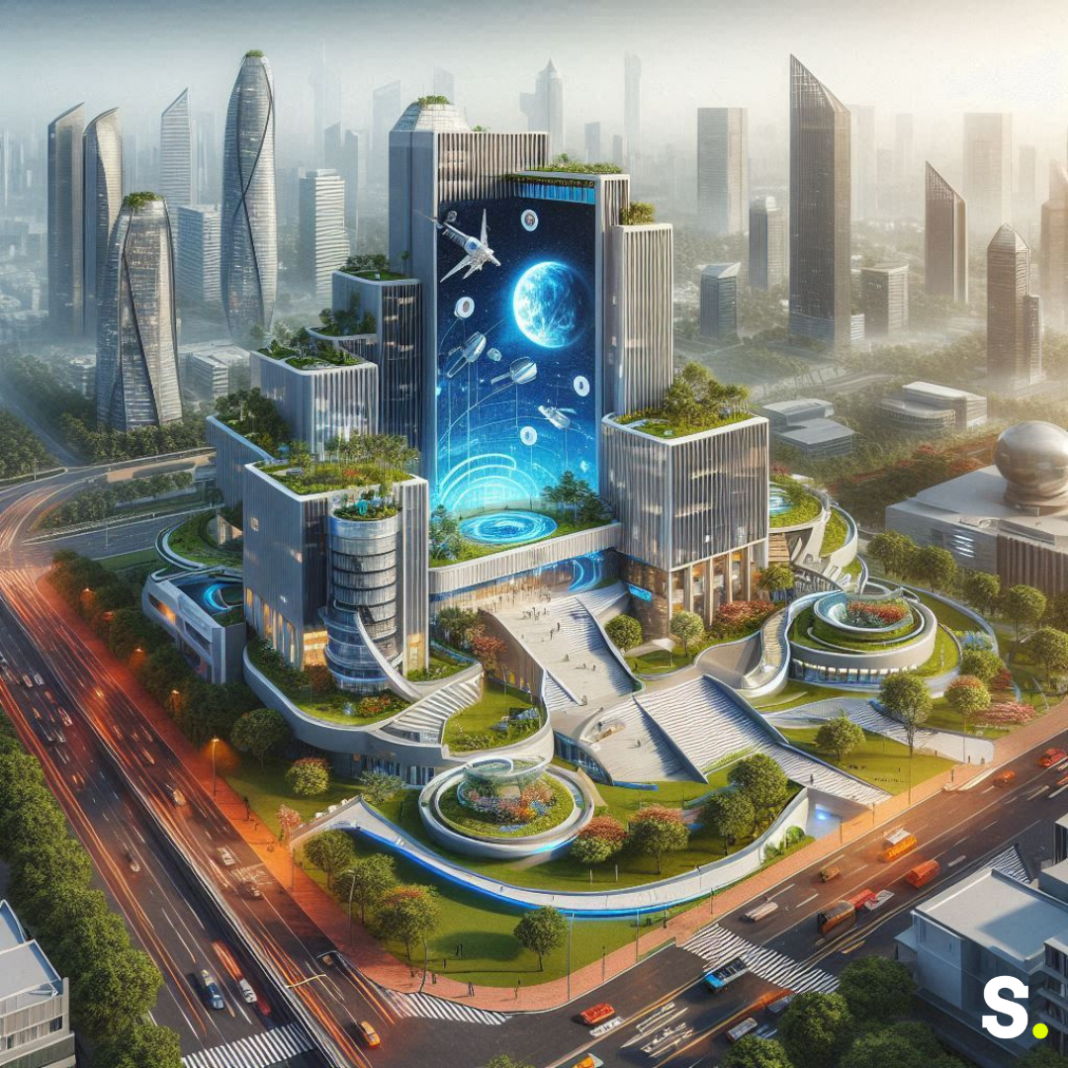
The Korea AeroSpace Administration (KASA) has announced a significant investment of 380.8 billion won (US$274.8 million) over the next seven years. This massive budget will be used to create three specialized industrial parks dedicated to the space industry. One of these industrial parks will focus on the construction and development of space vehicles. This move is a significant step forward in South Korea’s ambition to become a leading player in the global space industry.
Space vehicles are essential for various missions, including satellite launches and space exploration. By investing in this sector, KASA aims to enhance South Korea’s capabilities in building and deploying advanced space vehicles. This investment is expected to foster innovation and technological advancements in the field, providing a solid foundation for future space missions.
Development of Civilian Satellites
The second industrial park will be dedicated to the development of civilian satellites. Civilian satellites play a crucial role in various applications, such as weather forecasting, telecommunications, and earth observation. By focusing on this area, KASA aims to improve South Korea’s satellite technology and increase its competitiveness in the global market.
This investment will also contribute to better infrastructure for satellite manufacturing and development. As a result, South Korea will be better equipped to launch and maintain its own satellites, reducing its reliance on foreign technology and services. This self-sufficiency is crucial for the country’s long-term goals in space exploration and utilization.
Training Professionals for the Space Industry
The third industrial park will be dedicated to training professionals for the space industry. This initiative is vital for ensuring that South Korea has a skilled workforce capable of supporting its ambitious space projects. By investing in education and training, KASA aims to create a pipeline of talent that can drive innovation and growth in the space sector.
Training programs will likely cover various aspects of space technology, including engineering, research, and mission planning. These programs will provide hands-on experience and practical knowledge, preparing the next generation of space professionals to tackle the challenges of the industry. This focus on education and training will help sustain South Korea’s space initiatives and ensure their success.
Ambitious Goals for Lunar and Martian Missions
South Korea has set ambitious goals for its space program. By 2032, the nation hopes to land a spacecraft developed domestically on the moon, and by 2045, on Mars. These targets reflect South Korea’s commitment to advancing its space capabilities and contributing to global space exploration efforts.
Achieving these goals will require substantial investment and development in various areas, including spacecraft technology, mission planning, and international collaboration. The establishment of the three industrial parks is a crucial step towards meeting these objectives. By building a strong foundation for its space industry, South Korea is positioning itself as a significant player in the global space race.
The investment announced by KASA demonstrates South Korea’s determination to push the boundaries of space exploration. By focusing on space vehicles, civilian satellites, and professional training, the country is laying the groundwork for a successful and sustainable space program. With these initiatives, South Korea is poised to make significant contributions to space exploration and technology in the coming years.