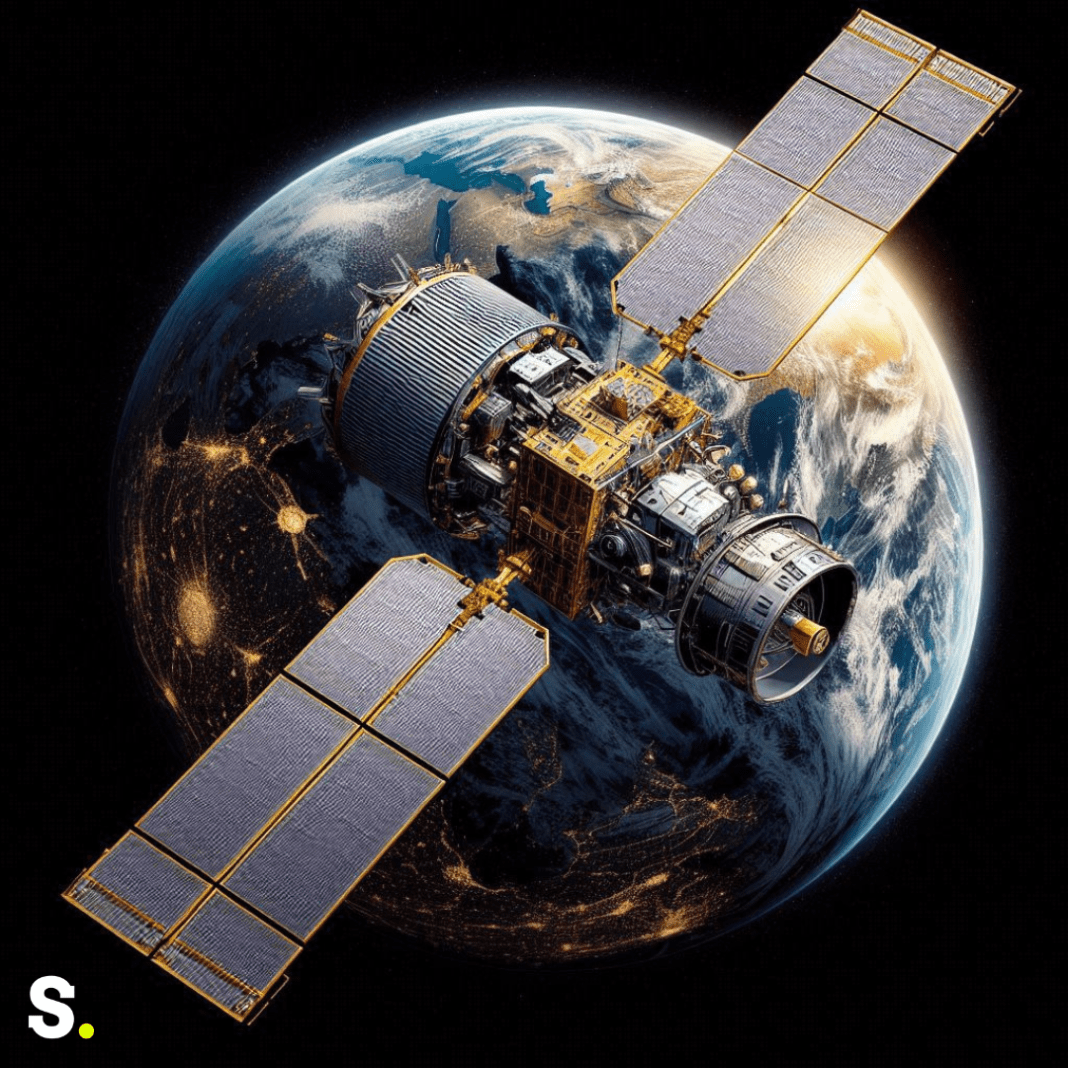

The idea of space hotels sounds like something out of a science fiction movie, but companies like SpaceX and Blue Origin are working to bring space travel closer to reality. This follows a hype cycle from five years ago that generated a lot of attention and excitement about space travel. Despite the initial hype dying down, consistent progress is being made, especially by SpaceX.
The Journey from Rockets to Space Hotels
Space travel has come a long way, but building space hotels is still a huge challenge. The idea of having hotels in space might seem outlandish, but some companies are optimistic about making it a reality within the next five years. However, this goal seems unlikely due to the high cost and the complexity of constructing such facilities in space. The estimated price tag for a space hotel is around $1 billion, and our current construction capabilities in space are far from what is needed to build these hotels.
Despite these challenges, it’s important to start thinking about the possibilities. If we can overcome the obstacles, the technology developed for space hotels could have amazing applications here on Earth. For example, advancements in construction techniques and materials could lead to better and more efficient buildings on our planet.
Space Pioneers and Their Impact
Leading the way in space exploration are a number of well-known businesspeople. These so-called “space cadets” are stretching the bounds of reality. While there are mixed feelings about their efforts, the impact of their work is undeniable. The advancements in technology and engineering that come from these projects often have significant benefits for life on Earth.
For instance, Elon Musk’s SpaceX is dedicated to space travel, and at the same time, his other company, Tesla, is developing robots. These robots could play a crucial role in constructing space hotels. Jeff Bezos, with his company Blue Origin, is also making strides in space exploration. Despite falling behind SpaceX, Blue Origin is continuing to advance significant programs.
While some people object to what these billionaires are doing, it’s clear that their quests for space travel bring about important technological advancements. Personally, I am more interested in developing vehicles that can transport people or cargo between cities like Tokyo and New York in under an hour. But it appears that space tourism—which is grabbing the attention of a lot of affluent people—is the main focus.
The Role of AI in Space
Science fiction fans have long dreamed of traveling through space, but what if the future of space exploration doesn’t involve humans? Artificial intelligence (AI) may take the lead instead. Space is a harsh environment for humans, but machines can handle it much better. AI could be used to manage and operate space hotels, making them safer and more efficient.
As we continue to develop AI technology, we are essentially training future space explorers. These systems are becoming more advanced with each passing year, and the breakthroughs they help achieve add up over time. By feeding more space-related ideas into AI, we might solve some of the major challenges faced in space exploration.
In the meantime, AI is likely to assist us in overcoming obstacles in building and operating space hotels. With each new generation of AI models, the technology gets better, bringing us closer to making space hotels a reality. The combination of human ingenuity and AI efficiency could lead to significant advancements in space travel and tourism.
While the dream of staying in a space hotel might seem far-fetched now, the progress being made in space technology and AI suggests that it could become a reality in the future. For now, we continue to watch as these exciting developments unfold, knowing that they could one day revolutionize travel and tourism both in space and on Earth.