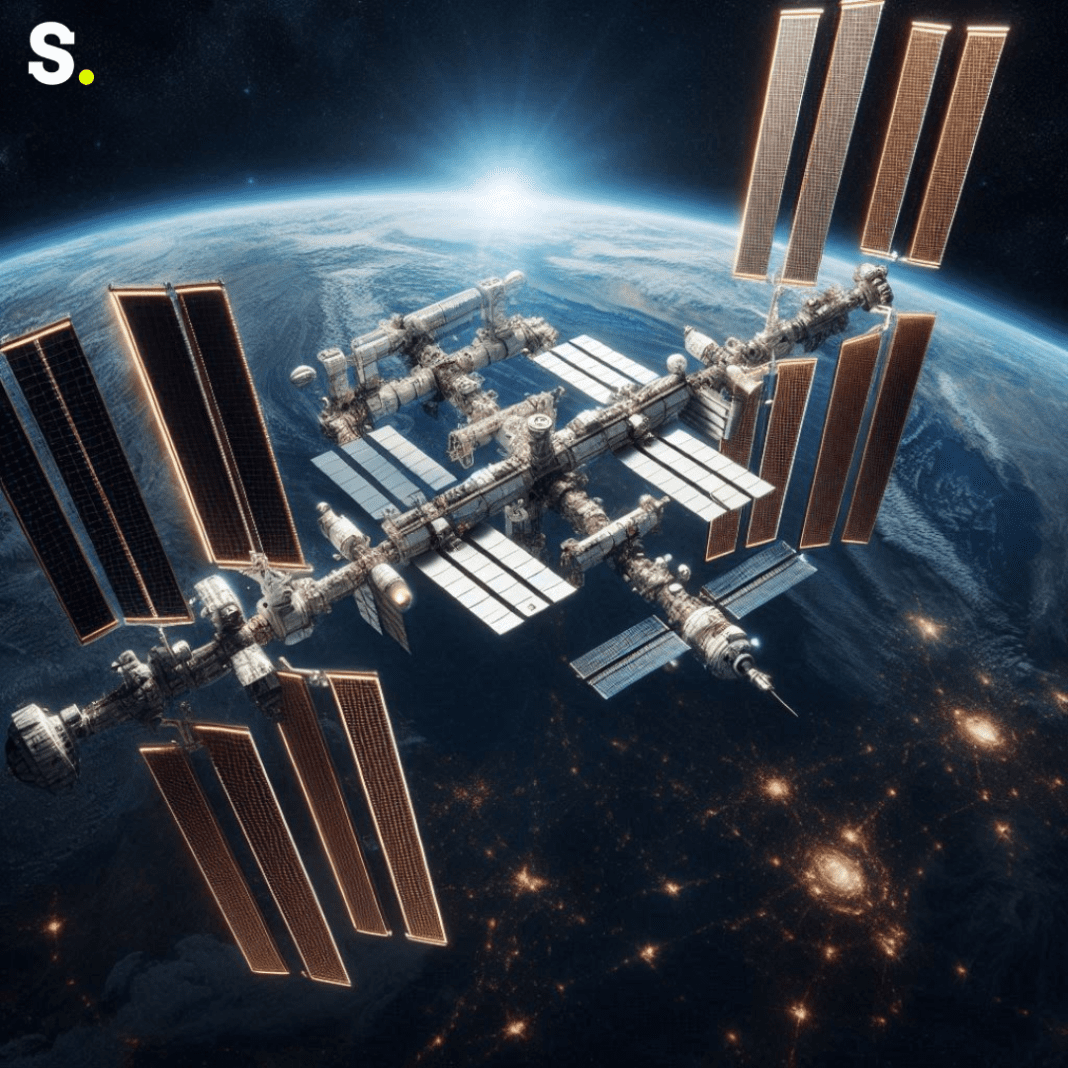
NASA’s astronauts Sunita Williams and Butch Wilmore are currently facing an unexpected dilemma in space. They launched aboard Boeing’s Starliner spacecraft from Cape Canaveral Space Force Station in Florida on June 5, 2024.
A Troubling Space Journey of Sunita Williams and Butch Wilmore
This mission was particularly notable as it was the first crewed flight for Boeing’s commercial crew program, intended to test the spacecraft’s performance and capabilities. After a successful launch and journey, the spacecraft docked at the International Space Station (ISS) on June 13, 2024. However, problems soon emerged that have left the astronauts unable to return to Earth.
The initial excitement of the mission was overshadowed by technical difficulties. The Starliner’s thrusters, which are essential for maneuvering and docking, experienced a significant malfunction. Out of the spacecraft’s 28 thrusters, five unexpectedly shut down. These thrusters are crucial for controlling the spacecraft’s position and speed, making it difficult for the Starliner to undock from the ISS. In addition, engineers discovered five small helium leaks in the spacecraft’s service module. Helium is vital for maintaining pressure and temperature control within the spacecraft, and any leaks can jeopardize the spacecraft’s integrity and safety.
Technical Glitches and Challenges
The malfunction of the thrusters presents a major challenge. These thrusters are responsible for adjusting the spacecraft’s orientation and movement, which is essential during docking and undocking operations. When five of the thrusters stopped working, it disrupted the Starliner’s ability to control its movements properly. This malfunction meant the spacecraft could not safely prepare for its return trip to Earth.
Another major problem is the service module’s helium leakage. The service module is a critical part of the spacecraft, housing essential systems for maintaining the spacecraft’s environment. Helium is used in these systems to control pressure and temperature. If the helium leaks are not addressed, it could affect the spacecraft’s ability to manage its internal conditions. This would pose risks during re-entry into Earth’s atmosphere, where precise control of the spacecraft’s environment is crucial to ensure a safe landing.
NASA is actively working to address these problems. Engineers are troubleshooting the issues from the ground and trying to remotely manage and repair the spacecraft’s systems. Their goal is to restore the Starliner’s functionality so it can undock from the ISS and safely return Williams and Wilmore to Earth.
A Pressing Deadline
The situation is complicated further by the need to manage docking ports at the ISS. The Starliner’s extended stay at the ISS is problematic because it occupies a docking port that is needed for the upcoming Crew-9 mission. This mission, scheduled to launch no earlier than August 18, 2024, requires a docking port for its arrival. If the Starliner remains docked for too long, it could prevent the Crew-9 mission from docking, potentially causing delays and disrupting the ISS’s operations.
NASA has a critical 19-day window to fix the Starliner problems and return Williams and Wilmore to Earth. If the spacecraft cannot be repaired within this timeframe, NASA may need to consider alternative options for the astronauts’ return. One such option could involve using a SpaceX Dragon capsule. This alternative spacecraft could be sent to the ISS to transport Williams and Wilmore back home if the Starliner remains inoperative.
Williams and Wilmore conducted a press conference from orbit on July 10, 2024. They shared their thoughts about their extended stay at the ISS and the ongoing efforts to fix their spacecraft. Despite the challenges, they expressed their understanding of the situation and remained hopeful that a solution would be found soon.
NASA’s commercial crew program manager has stated that a specific return timeline for the astronauts has not yet been determined. The malfunctions with the thrusters and helium systems are critical because they directly impact the spacecraft’s ability to re-enter Earth’s atmosphere safely. The astronauts’ safety is the top priority, and resolving these technological problems is necessary to ensure their safe return.
The Starliner mission has encountered unexpected technical problems, leaving astronauts Sunita Williams and Butch Wilmore stranded at the ISS. With urgent repairs underway and a tight deadline approaching, NASA is working diligently to resolve the issues and ensure the safe return of the astronauts.