

A recent report highlights concerns after Chinese AI firm MizarVision used satellite imagery and artificial intelligence to analyze and share details of United States military movements. The publicly posted data includes tracking of ships, aircraft, and deployments, showing how commercial satellite data combined with AI can reveal information once limited to defense agencies.
AI Company MizarVision Uses Satellite Images to Monitor US Military Movements
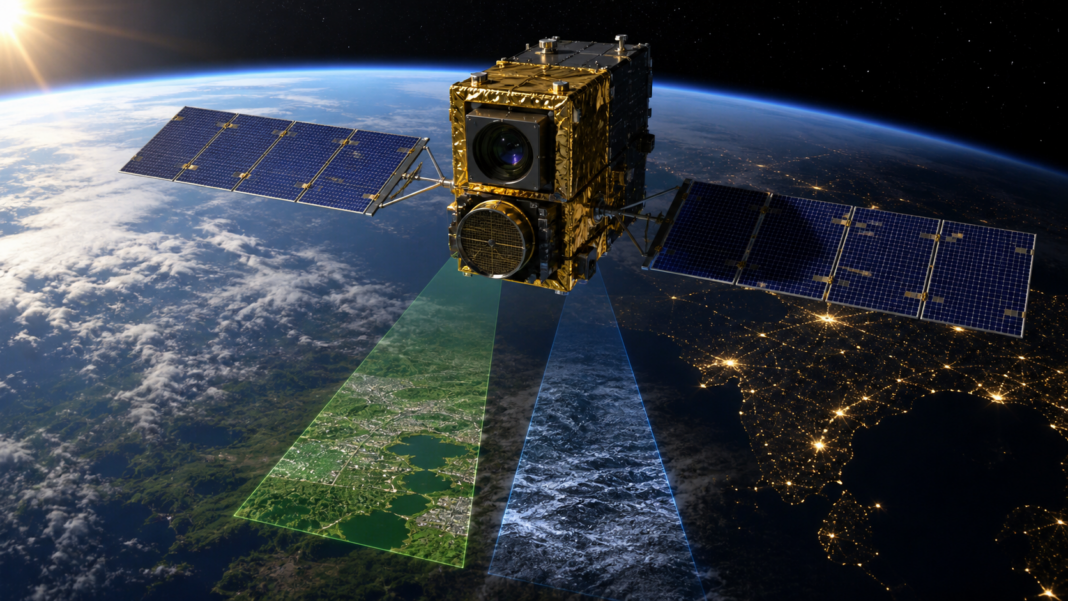
A recent report has drawn attention to a Chinese AI company called MizarVision, based in Hangzhou, which has been publicly sharing satellite image analysis of United States military movements across the Middle East and other regions. The company uses satellite data from both Western and Chinese operators and processes it using artificial intelligence systems.
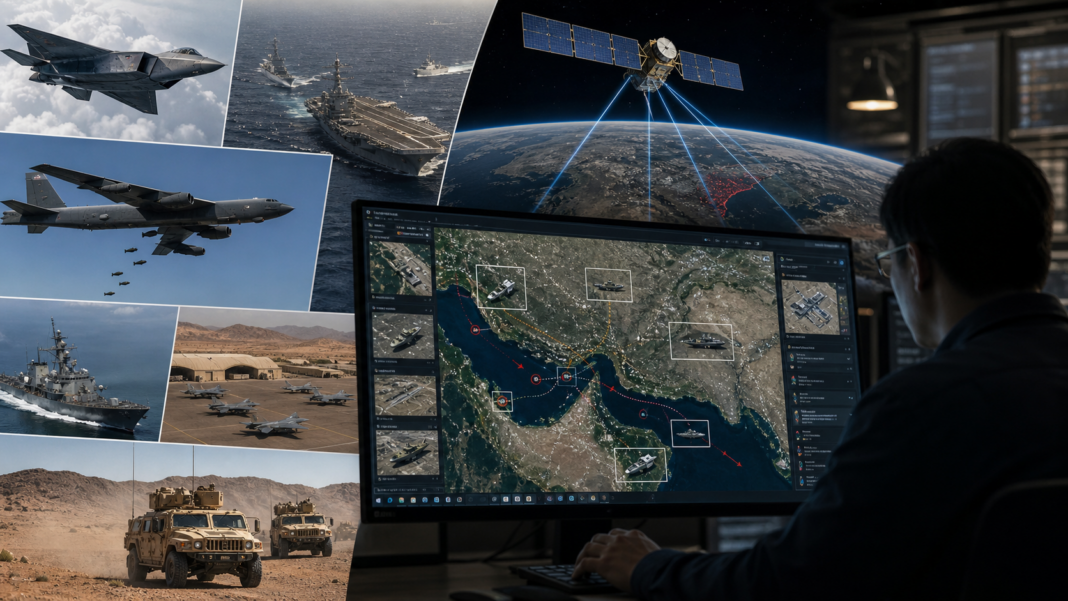
These AI tools automatically detect and label military equipment such as fighter jets, bombers, warships, and ground vehicles, and then classify them by type. The results are presented as clear visual maps showing deployments and movement patterns of military assets.
MizarVision has been sharing these analyses openly on social media platforms, including Chinese-language networks and X. The report highlights how this AI-driven method converts raw satellite imagery into structured, easy-to-understand intelligence, showing how advanced commercial technology is making satellite analysis more accessible beyond traditional defense agencies.
Tracking of Aircraft Carriers, Bombers, and Fighter Jets Across Key Regions
According to a report, a Chinese AI company called MizarVision has been analyzing satellite imagery to track key United States military assets across multiple regions. The company has focused on high-value targets such as aircraft carriers, including the USS Gerald R. Ford and USS Abraham Lincoln, which are among the most advanced naval vessels in the U.S. fleet.
Its AI systems have also identified movements of important aircraft, including F-22 stealth fighter jets and long-range B-52 bombers used for strategic missions. These aircraft play a major role in long-distance operations and military deterrence strategies.
In one detailed analysis, MizarVision reportedly tracked B-52 bombers taking off from airbases in the United Kingdom. The visual breakdown showed their route passing through the Mediterranean region, moving into the Middle East, and later returning through the Persian Gulf area.
The company has also mapped naval activity in the Persian Gulf, including the positioning of U.S. warships operating in this strategically important waterway, which is critical for global energy shipping routes. In addition, it tracked aircraft movements from military bases in Saudi Arabia, which are key locations for regional operations.
All of this analysis has been shared publicly on social media platforms. The level of detail has raised concerns among defense observers, as it shows how commercially available satellite data combined with AI tools can reveal sensitive military movement patterns that were once much harder to access or interpret.
Security Concerns Raised Over Open Satellite Analysis and Military Exposure
The publication of detailed military tracking by a Chinese AI firm has raised concerns in United States defense circles. A congressional security committee focused on national security risks related to China has asked defense authorities to assess the potential impact of commercially available satellite imagery combined with artificial intelligence tools.
The key concern is whether systems like those used by MizarVision could enable near real-time tracking of military activity. This includes monitoring warship movements, aircraft deployment routes, and the locations of military bases. Even when based on publicly available satellite data, such analysis may still reveal sensitive patterns linked to military operations, strategy, and readiness.
China’s 56-satellite navigation system creates a massive strategic edge over India
The committee noted that high-resolution satellite imagery and advanced analytics were once mainly available to a small number of defense agencies. However, with the growth of commercial satellite providers and AI technology, these capabilities are now more widely accessible.
There is also attention on international satellite data providers. A European aerospace company has been asked whether it has restricted access to its imagery for organizations that might use it in ways that could pose risks to United States personnel.
Overall, the situation highlights growing concern about how the combination of commercial satellite data and AI-driven analysis is changing the visibility of military movements in the public domain.